
View from the Top banner

I was fortunate to attend the Māoriland Film Festival on its 10th anniversary yesterday.

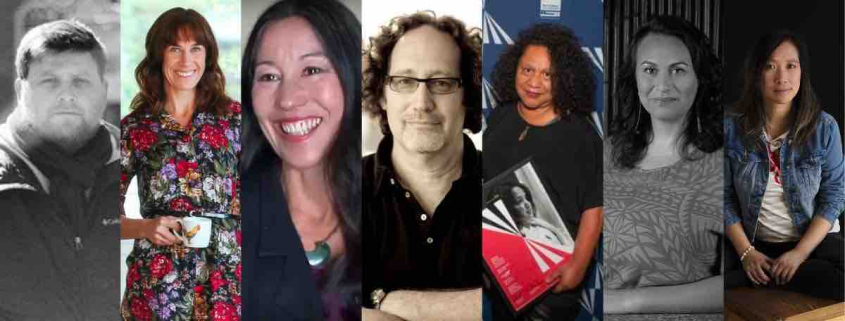
There were around 200 of us there for the powhiri, including indigenous filmmakers from New Zealand, Australia, Canada, Hawaii and the Pacific Islands, a solid turnout of staff from NZFC, reps from the immagiNATIVE Film Festival in Toronto, and someone from Diversity & Inclusion from the European Film Market at the Berlin International Film Festival. We all got a chance, both formally and informally, to share about ourselves, our organisations, and our thoughts about film.

Film festivals, first and foremost, though, are always a celebration of film. The excitement of the film makers to have their films on screen at a recognised film fest—and Māoriland certainly is one in the indigenous film world—was palpable.

Māoriland had humble beginnings, but in its ten years, it has grown to become a significant event on the New Zealand film calendar. There’s a special wairua that permeates the fest, which sets it apart from any other film fests I’ve been to, including those of Berlin and Cannes, and even immagiNATIVE in Toronto. It’s very inclusive, there are a lot of youth involved, and it lacks the hard business edge so common at others, which in this case is a good thing. And, of course, it’s driven by Te Ao Māori, Te Reo, and Tikanga, which makes it so very special to us.

I was fortunate to run into two filmmakers from Hawaii who I had met previously when I was asked to speak at the University of Hawaii by a film lecturer there about a short I had produced that had gotten into the Hawaii International Film Festival. They have come a long way with their work, and it was good to both reminisce and learn what the other had been up to in the ensuing years—networking and connections are another big plus to come out of such events.

But it’s the films everyone is ultimately there for, and the opening night film and its filmmaker, Etienne Aurelius, reminded us all of the power of the indigenous filmmaking voice.

Aurelius’ film Ka Pō is a raw film that overcomes its limitations by exhibiting elements that make the indigenous perspective unique, with spectacularly cinematic locations, framing, and metaphor. Aurelius said that he shot it with a crew of five, with the majority of cast non-actors, and with the production spread out across a long production period interrupted by the COVID pandemic. Māori producer Chelsea Winstanley helped him craft it into the distinctive debut feature that it is.

Here in New Zealand, we know that films with Māori stories, content, and characters set us apart and help to make these films often critically and commercially successful, as exhibited most recently by Paula Whetu Jones and James Napier Robertson’s Whina and Tearepa Kahi’s Muru. Australia has just as much success with their first nations films, the likes of Warwick Thornton’s Sweet Country and Leah Purcell’s The Drover’s Wife: The Legend of Molly Johnson.

The success of New Zealand and Australian indigenous filmmakers provide a shining light to those from other countries around the globe, which Aurelius paid tribute to in the Q & A following the showing of his film. But indigenous filmmakers from elsewhere are now making their own marks with their own films, and this is fantastic to see. I look forward in the future to seeing a film from Aurelius that has a decent budget, as I’m confident this Hawaiian filmmaker from Kauai is someone we’ll be hearing a lot more from.


Tui Ruwhiu
Executive Director

Last updated on 16 March 2023
The New Zealand Film Commission (NZFC) released its March 2023 funding decisions, featuring many DEGANZ members’ projects in the mix.

Seven applications were approved for the Early Development and Documentary Development Fund, totalling over $143,600. Of the four feature dramas chosen, DEGANZ members are key creatives on three of them. Tom Augustine is on the team for Arsonist, Jackie van Beek on Sea Hags, and Kim Webby on Memory/Longing. Additionally, Thomas Burstyn (DEGANZ) is on the core creative team of Iggy In Love, one of the three feature documentaries approved for the fund.

NZFC’s annual fund for producing dramatic feature films in te reo Māori, He Pounamu Te Reo Māori Feature Film Initiative, has gone to writer/director Kath Akuhata-Brown (DEGANZ). This fund aims to increase the number of films produced in te reo Māori by creating culturally appropriate production financing pathways for such films. Kath’s film, KŌKĀ, follows the unlikely friendship that forms between Māori elder Hamo and delinquent teen Jo while on a road trip that bridges generations, culture, and morality.

Additionally, the lasting effects of COVID are not stopping DEGANZ members Marina Alofagia McCartney and Roseanne Liang. Marina’s short film The Return was one of four applications that received Extended Screen Production Recovery Funding. Meanwhile, the second season of the series drama Creamerie, directed and co-written by Roseanne, was approved for conditional equity as part of the Premium Contingency Fund.

Congratulations to all on the good news!

Last updated on 16 March 2023

DEGANZ member Pietra Brettkelly‘s Boosted campaign for her feature documentary Crocodile needs help to reach its stretch goal.

Due to Boosted’s all-or-nothing stipulation, Pietra and oscar-nominated producer Chelsea Winstanley (Ngai te Rangi, Ngāti Ranginui) set a leaner goal of $20,000 to achieve in the 30-day campaign. However, generous donors propelled the project to this goal in just 12 days, allowing the team to start reaching for their stretch goal. They currently have nearly $29,000 but hope to reach their new target of $100,000 in the next 15 days.

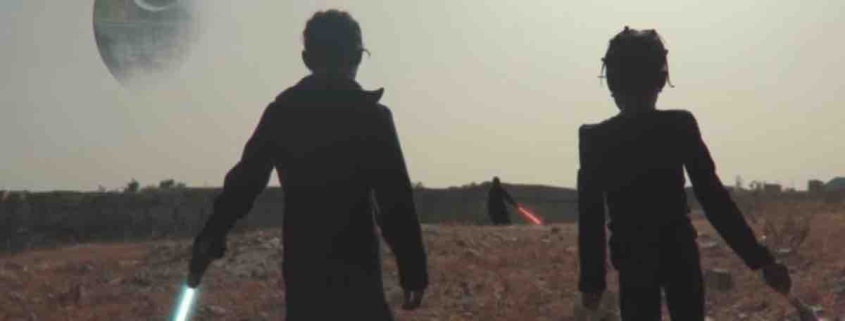
The film highlights the creativity and tenacity of nine children living in Crocodile, Nigeria, as they rise out of their circumstances to rewrite their future… and set it in a 2049 sci-fi world. Pietra began filming the group three and a half years ago and is determined to continue until they start filming their own sci-fi feature, despite the various hardships they’ve faced.

Until now, Pietra has been self-funding the project and is confident that it has the ability to go as far, if not further, than her and Chelsea’s previous projects. Notably and uniquely, Pietra has given the young subjects 50% ownership of the doco and all its profits.

Contributions to the Boosted will go towards editing, translations, researching soundtracks, and further filming.

You can donate to Pietra and the team’s Boosted here!

Last updated on 15 March 2023

Robin Greenberg (DEGANZ) is seeking support on Kickstarter to fund the post-production of her next feature documentary, Light, Ghosts & Dreams.

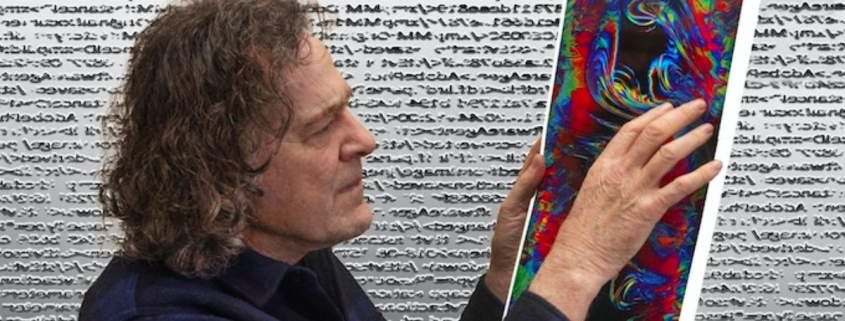
The film celebrates avant-garde photographer, publisher, and innovator Grant Sheehan, offering exclusive glimpses into the artist’s life, work, and unique world perspective. While tracking his entire career, the film focuses on Grant’s recent cutting-edge visual explorations of Artificial Intelligence (AI). Through Grant’s unique lens and artistry, the documentary transports viewers to a state of wonder, encouraging them to see the world in new ways and to reflect on their place in the universe.

Robin first began developing Light, Ghosts & Dreams in 2015 after meeting Grant in 2003 when renting a corner of his studio in central Wellington. After over three years of following and filming Grant across Aotearoa, the film is ready to commence post-production. The team hopes to complete editing in time to premiere at the New Zealand International Film Festival (NZIFF) later this year.

Robin has been an independent documentary filmmaker for over 30 years, with Light, Ghosts & Dreams being her 5th feature documentary.

Also on the team is fellow DEGANZ member Sam Caino as an additional editor.

You can support Robin, Sam, and the team here!

Last updated on 14 March 2023

As the Screen Industry Workers Act (SIWA) is now in force, DEGANZ wants to ensure that all directors, editors, and assistant editors are as informed as possible.

Don’t miss out on our SIWA huis for the opportunity to learn more about how the Act specifically relates to you in your occupational role.

The huis will take place in Auckland but will be accessible across the country via live stream.

Check the dates below to see which hui best suits you:

SIWA Hui: Advertising and Marketing

This hui will discuss how SIWA will affect contractors working in advertising and marketing.

Directors, Editors, and Assistant Editors

Wed 5 April, 6:30 pm

Register here.

SIWA Hui: Factual and Entertainment

This hui will discuss how SIWA will affect contractors working in factual and entertainment. This includes short films, docu-series, and other forms of short-form documentary.

Directors, Editors, and Assistant Editors

Thurs 20 April, 6:30 pm

Register here.

SIWA Hui: Scripted

This hui will discuss how SIWA will affect contractors working in scripted TV drama. This includes comedy series, web series, short films, and other short-form scripted content.

Directors, Editors, and Assistant Editors

Wed 3 May, 6:30 pm

Register here.

SIWA Hui: Film

This hui will discuss how SIWA will affect contractors working on short or long-form narrative and/or documentary film.

Directors, Editors, and Assistant Editors

Wed 7 June, 6:30 pm

Register here.


We hope to see you there!

Last updated on 6 April 2023