There are a number of opportunities fast approaching for you to voice your opinions on the state of the industry and how it affects you. I encourage all of you to engage as we are all faced with ongoing rapid transformation that will have a profound effect on your career prospects, opportunities, and incomes.

First up—The New Zealand Film Commission has finally gotten around to working on a tangata whenua strategy to support Māori in film.

With Māori stories and content being the key differentiator of New Zealand film on the international scene and Māori-driven projects having outstanding box office domestically, you have to wonder why it’s taken so long since the disaster that was the Te Paepae Ataata initiative for NZFC to get into action. Māori used to be at the forefront of indigenous filmmaking but that position is now well and truly occupied by Aboriginal Australians. Amazing what good levels of funding can achieve. NZFC is running a roadshow to gather input for the strategy. You can have your voice heard in Rotorua, Wellington, Auckland and the South Island. Details here.

Then there is our annual membership survey.

As a financial member you will have received a direct email with a link to it. It’s anonymous and will help us gauge what’s happening in your work sphere, what you think about what we as the guild are doing, and what you think we should be doing. As we continue to engage with funding bodies, government and other organisations over your creative, cultural and financial wellbeing, it’s also important we have facts to back up our arguments, so please take the seven minutes required to complete the survey. It will be a big help.

Next: I mentioned last week that on Thursday 24 August in Mt Eden the top five political parties will have representatives presenting their thoughts on the NZ screen sector.

Not only is this an opportunity for you to hear what they have to say, but it will also give you a chance to put your questions forward to the party individuals present. The election is up for grabs at this point and all of us need to lobby government to get our messages across. Seats are still available to attend this evening, which will be hosted by media commentator Russell Brown. RSVP here.

And then a little further out the Copyright Act review coming up in 2018. Directors are authors of audiovisual content and cinematographic film. For this reason directors should have copyright of such. They don’t. We can change this if we get the required changes to the Copyright Act. You can make a submission when the opportunity becomes available. Read what you need to know here, register to receive updates, and make a submission when invited to.

Finally, we are now just over five weeks to the general election. If you are not enrolled, please do so. And most of all, please vote to voice your opinion on the future of our country as it will be determined by the political party/parties in power.

Tui Ruwhiu
Executive Director

Last updated on 21 February 2018
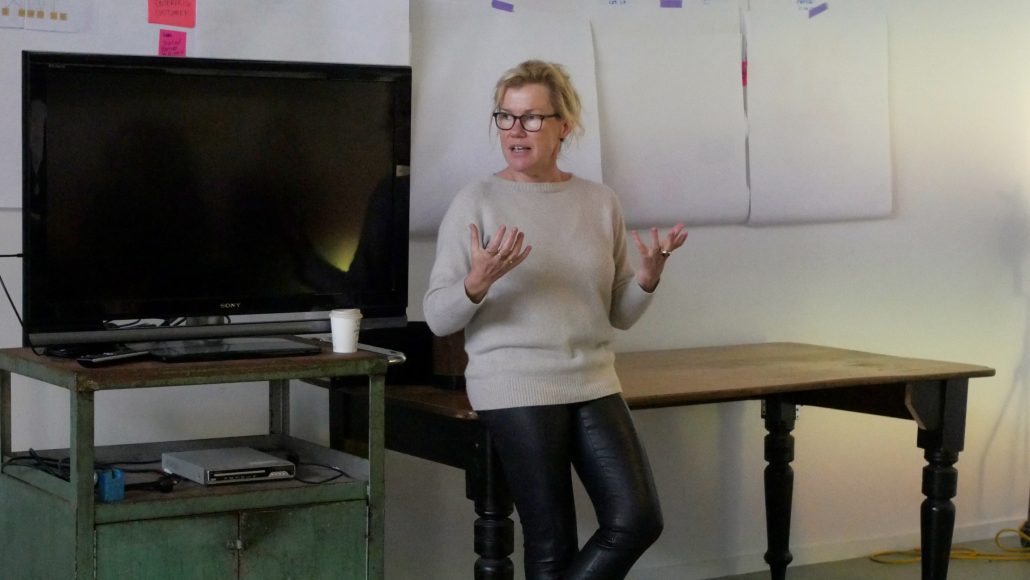
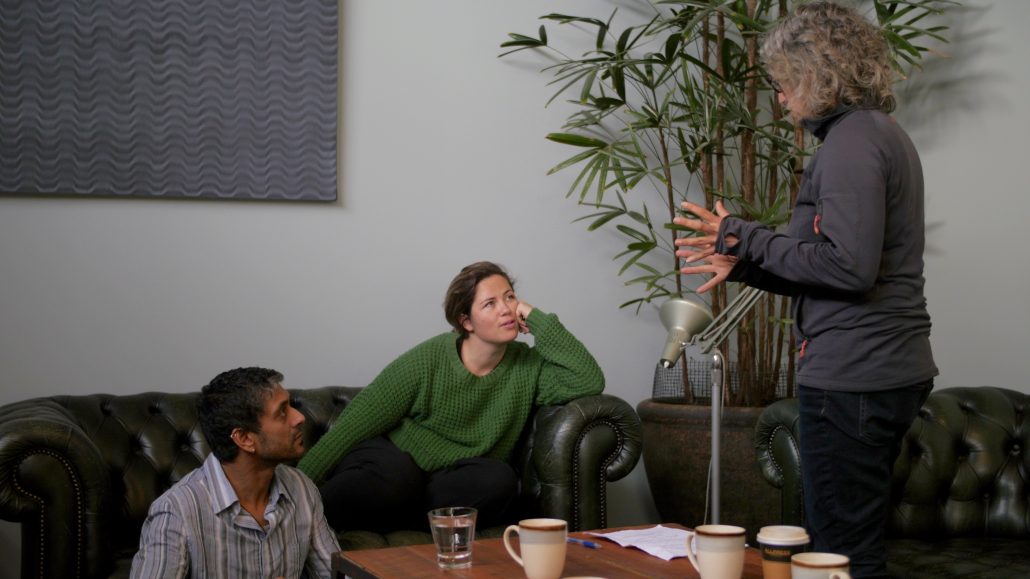
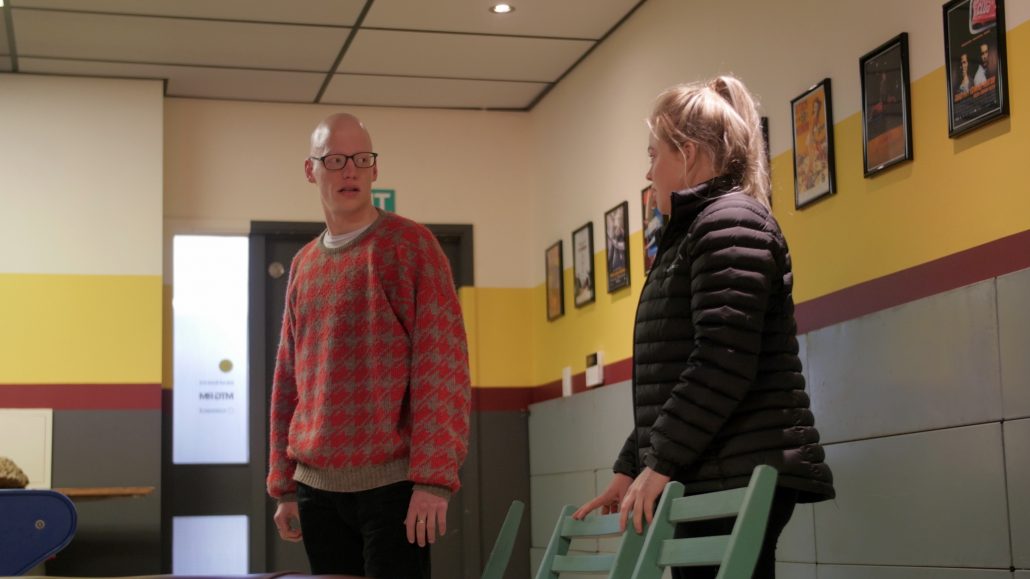
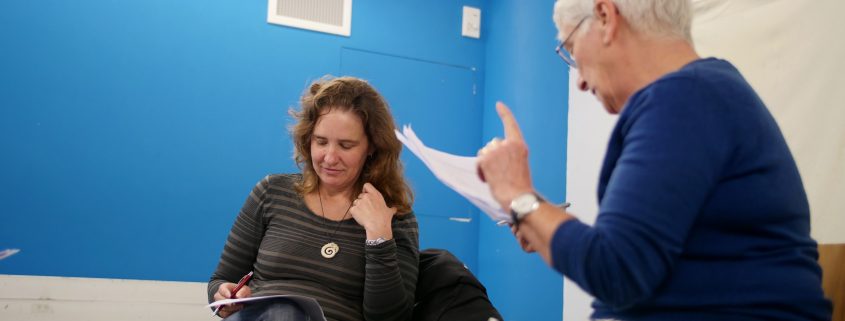
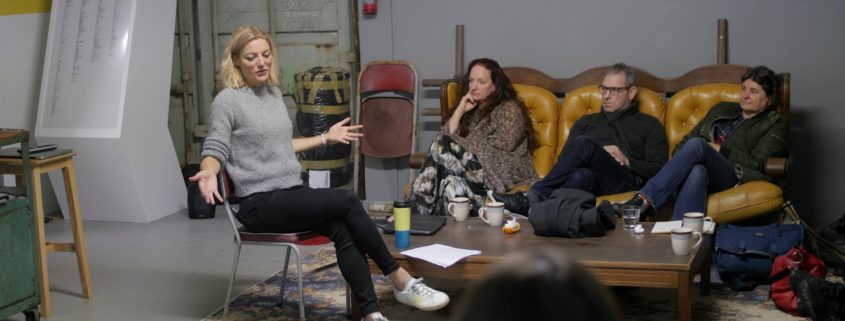
It was a pleasure to have esteemed actress Robyn Malcolm facilitate our most recent Rehearsal Room for directors and actors in Auckland. The directors had the opportunity to bring a scene from one of their own projects, or be provided a scene, which they got to rehearse and explore with a bunch of talented actors.

After lunch, everyone came together for an in-depth review and discussion of the scenes and rehearsal process with Robyn providing plenty of great advice on how directors and actors can build positive working relationships to achieve brilliant results.

Registrations are now open for the next Rehearsal Room in Wellington with Actor/Director Ian Hughes – Saturday 2 September, 9.30am – 1.30pm. Register here. Deadline: 22 August (Directors) / 28 August (Actors)


Last updated on 20 March 2020

RR with Ian Hughes WTN

The Rehearsal Room brings together actors and directors in a safe, supportive environment to practise working with each other on scenes under the guidance of an experienced moderator.

Register to have your name in the draw to participate. For each event, 4 directors and 8 actors will be selected. If you are selected, we’ll email or phone you to confirm your participation.

Moderator – Ian Hughes

Ian Hughes’ breakthrough role was in acclaimed TV series and movie Topless Women Talk About Their Lives. Topless was followed by multiple TV guest parts (Shortland Street, Xena, Bliss) and film roles, including starring in his own Kafkaesque short, The Waiting Room, and acclaimed play Ship Songs. Ian has worked with many of New Zealand’s top directors and as a television director himself on Step Dave and Shortland Street.


When: Saturday 2 September 2017, 9:30am – 1:30pm

Where: Te Aro, Wellington

Cost: Free – Open to DEGNZ & Equity NZ members ONLY.

Register at: Eventbrite

Registrations close: 22 August (Directors) / 28 August (Actors)


Who is The Rehearsal Room for?

Professional actors and directors. It is open to Actors Equity and DEGNZ members of all levels of experience, from novices to virtuosos.

Material

Directors will be asked to provide a two-character scene (~ 2 pages) or, if you prefer, a scene will be provided for you. Directors and actors will receive scripts in advance.

Structure of the event

Directors and actors will spend time rehearsing their scenes, with emphasis on connection and content. Participants will block their scenes, before presenting them for shooting, followed by viewing and discussion. The shooting is a wide shot only, intended as a means to review performance, not for directors to direct camera.


The Rehearsal Room is hosted by Directors & Editors Guild of NZ and the Equity Foundation, with financial support from the New Zealand Film Commission.

Last updated on 26 February 2018

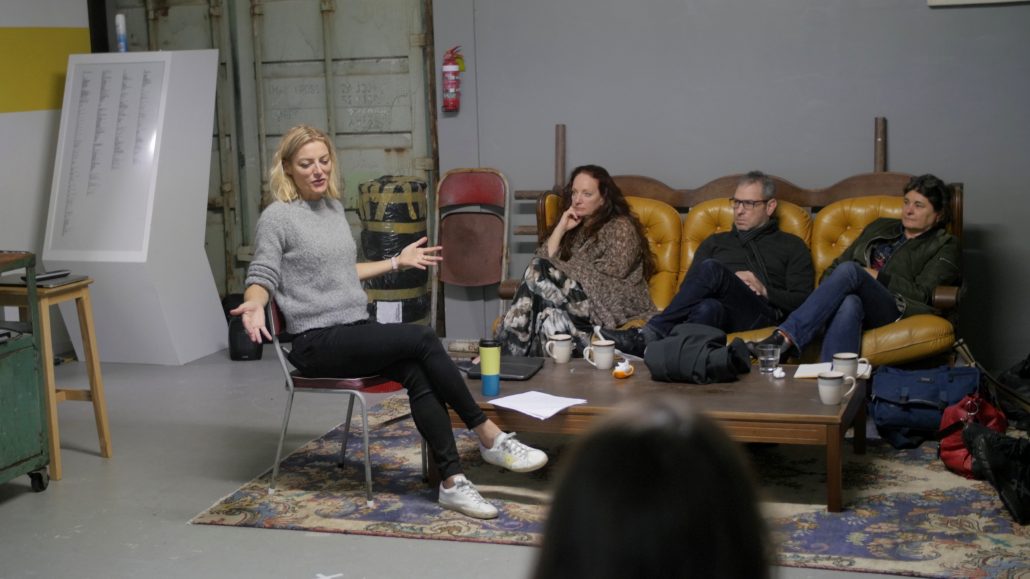
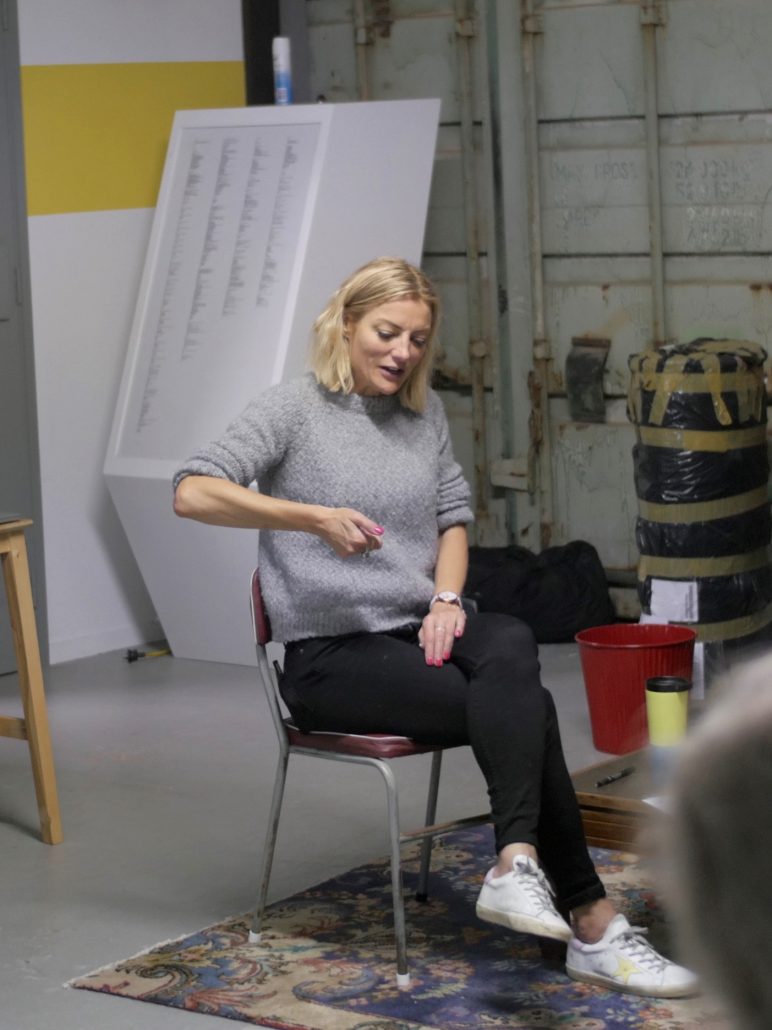
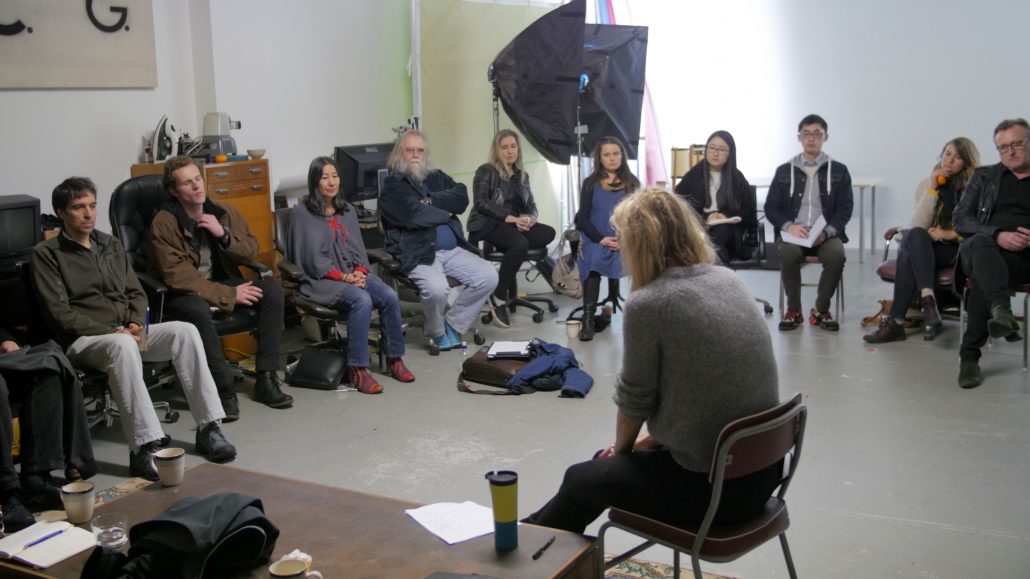
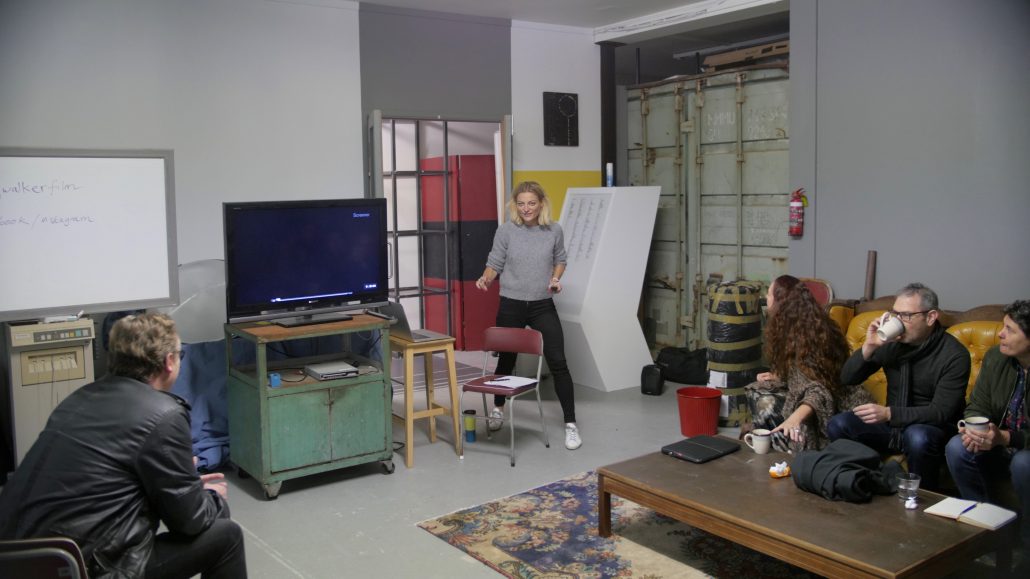
A range of emerging and highly experienced documentary directors turned out to hear LA-based UK documentary director Lucy Walker talk about her practice and projects. It was an informative and inspiring masterclass for those involved.

In the afternoon, four lucky participants further received one-on-one input from Lucy on their documentary projects in development or production.


Last updated on 20 March 2020

Jacinda Ardern’s rise to the top of the totem pole in the Labour Party brings politics and the screen industry into focus.

Jacinda, like Helen Clark before her, has always been a big supporter of Arts and Culture, and she’s been proactive in her engagement with the screen industry across the last few years.

When Labour was last in power Helen Clark held the Arts and Culture portfolio, putting it front and centre at No. 1 on the cabinet list. Trevor Mallard held the Broadcasting portfolio at No. 7.

When John Key became prime minister, he took up the Tourism portfolio and Arts and Culture was given to Chris Finlayson at No. 9. Craig Foss held Broadcasting at No. 17.

In 2015, Maggie Barry became Minster of Arts, Culture and Heritage at No. 20, while Amy Adams held the Broadcast portfolio at No. 7—Adams is entranced with the digital realm and views broadcasting as a sunset industry.

As of today, Maggie Barry holds Arts, Culture and Heritage at No. 16 while Broadcasting is no longer a cabinet portfolio, perhaps a reflection of Adams’ view.

I think this is a pretty explicit indication of the importance of arts, culture and heritage, and broadcasting to the current government, although they have been persuaded to keep the incentives in place for screen production and provide some more funding for international incentives and the New Zealand Screen Production Grant for NZ productions, even though Minister of Finance Steven Joyce has publicly expressed that he would prefer not to have to offer incentives at all.

Both the NZ Film Commission and NZ On Air get their government funding through the Ministry of Culture and Heritage. As I’ve said before, NZ On Air hasn’t had a funding increase in 10 years. NZFC got a one-off windfall through Lotto but there’s not been a lot of movement in funding for NZ productions. Maori TV received an extra $10.4 million for infrastructure as part of a government funded te reo initiative, but their programming budget is unchanged.

To adapt to changing times while still playing with the same level of funding, NZ On Air now has its new platform agnostic funding model, but merely seems to be throwing more digital foxes into the chicken coop with the content-laying chooks while throwing their hands in the air and saying its not their responsibility.

Our public broadcaster TVNZ is exerting the same stranglehold on its OnDemand platform that it has held on its broadcasting channels, but now has more competition for funding from other players including NZME and VICE. The Filthy Productions lambasting Duncan Grieve of The Wireless online news platform has had his digital hand out for a while. We can assume that former TV3 News boss Keith Slater’s own platform Newsroom will be doing the same.

While TVNZ abandoned any pretence of public broadcasting a long time ago, Radio NZ is coming to the fore in this arena and competing with everyone else online. Not only are they continuing to put out quality radio, but their mix of video, podcasts, and online print news on their website is a welcome respite from all the dross that our established news providers are offering. Their Wireless website for ‘yoof’ is also now well established. The $2.84 million annual increase RNZ received after an eight-year funding freeze is small but welcome.

The giant in the digital room, Google, is preparing its case for more flexible Fair Use and Safe Harbour provisions with the government announcing a review of the Copyright Act in 2018 after the election. The guild views this as extremely threatening to sustainable careers in the screen industry. As part of its lobbying, Google touts the idea that more relaxed legislation will lead to greater innovation and thus new and increased revenue opportunities, which seems to have been bought lock, stock and barrel by the Ministry of Business, Innovation and Employment. They will increasingly rattle this particular cage but while attractive to those who see digital as a shiny new bauble, its not proven—Google of course is seeking to prove it.

Google through YouTube is just one of the many foreign companies operating in the New Zealand screen sector, which now includes the former Touchdown, Screentime, Greenstone, and South Pacific Pictures—all 100 percent foreign controlled—as well as Amazon Prime and Netflix. Mediaworks has been in foreign hands for a long time, as has NZME with the NZ Herald and Fairfax with Stuff. We have to wonder if we’d be better off if TVNZ was foreign-owned and their archive became a state asset. It’s no secret that Labour has looked closely at what’s required to create a true public broadcaster. It’s my view that Radio NZ is almost there—it just needs more money to make it happen. TVNZ 7 did pretty well with $15 million a year, and having worked in the past in niche channels I know that it doesn’t take that much to set up if you have a slot to go out on.

The above are just some of the topics we can ponder on and question about as we face an election in just seven weeks time. Where do the political parties sit with issues in the screen industry? Thanks to Film Auckland, we now have a golden opportunity to find out.

On the 24th of August in Auckland from 5pm – 8pm at Industry Connect, 34 Shaddock Street, Mt. Eden, media commentator Russell Brown will facilitate a forum with the top five political parties invited along to give their takes on the screen industry. You can reserve a free spot at this event here.

I encourage all of you to get along and find out what our political parties think about your future career prospects, and to put questions to them.

Tui Ruwhiu
Executive Director

Last updated on 21 February 2018