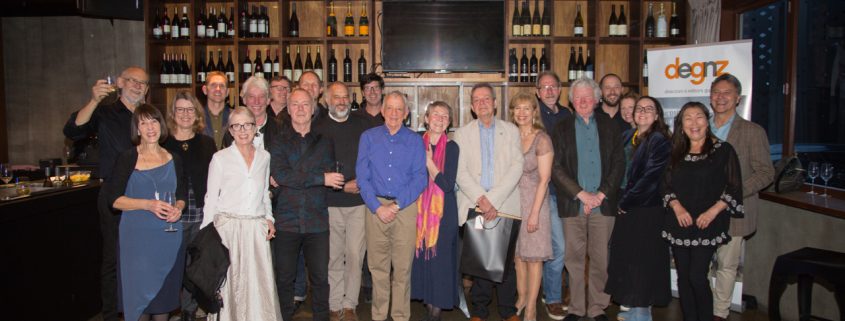
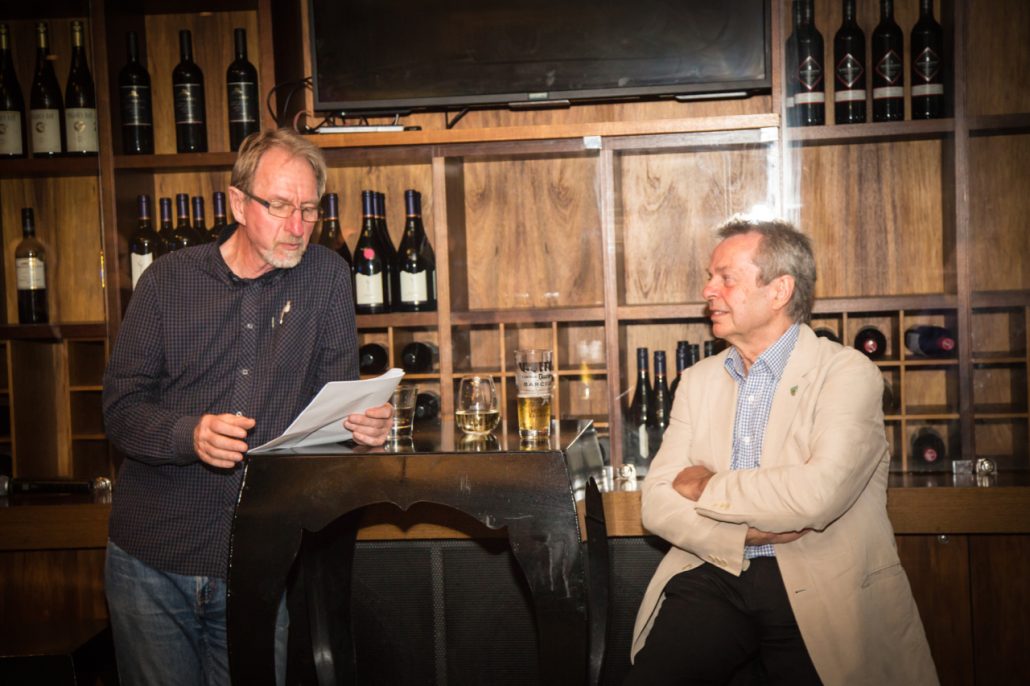
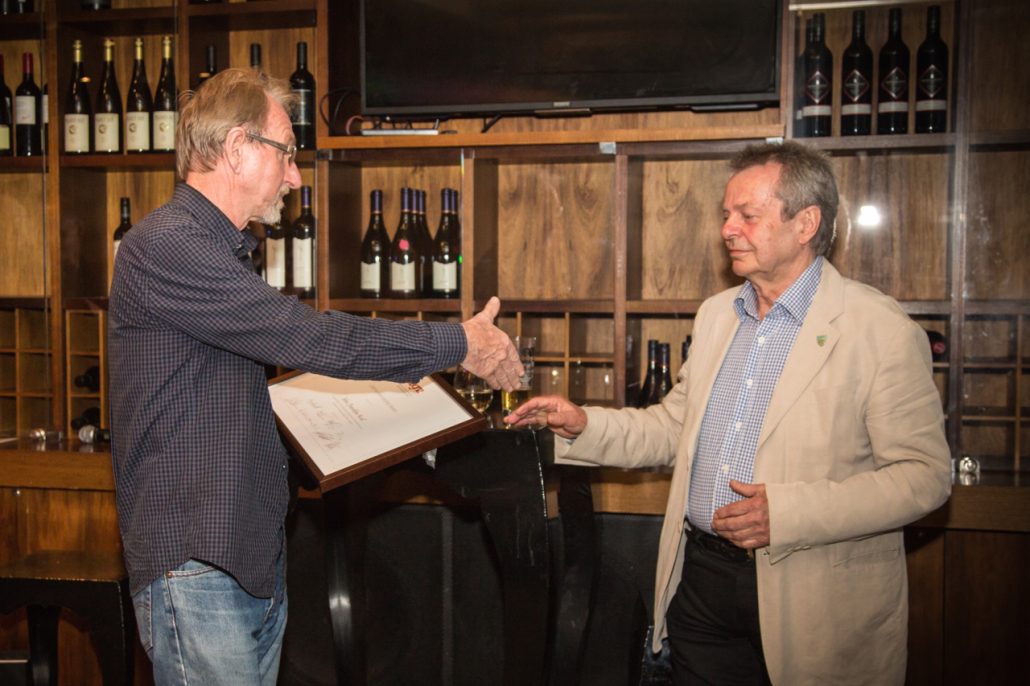
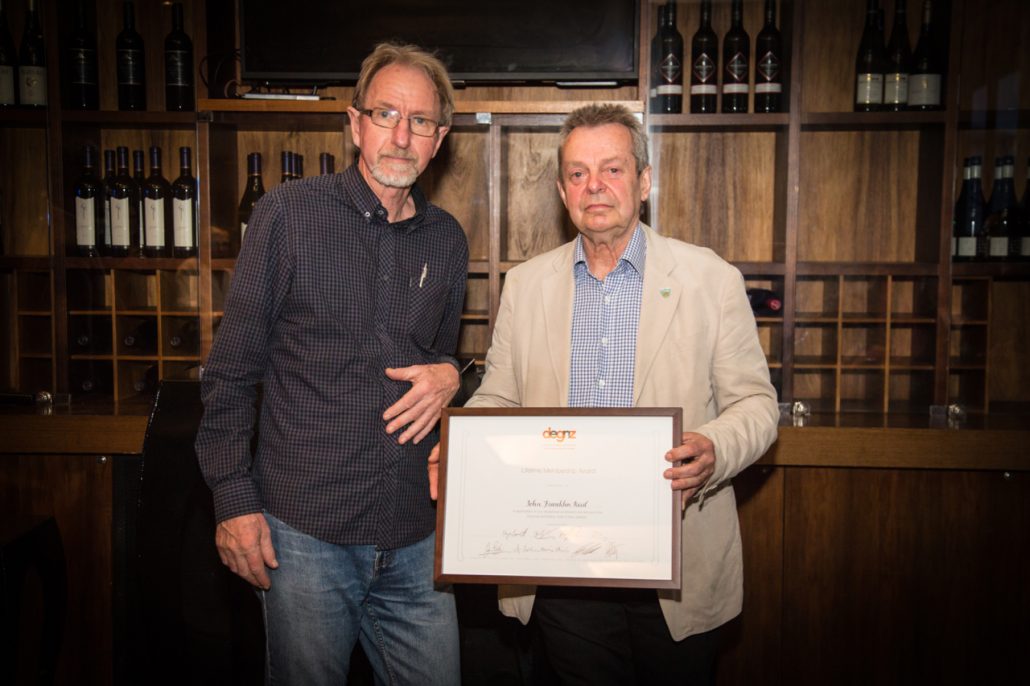
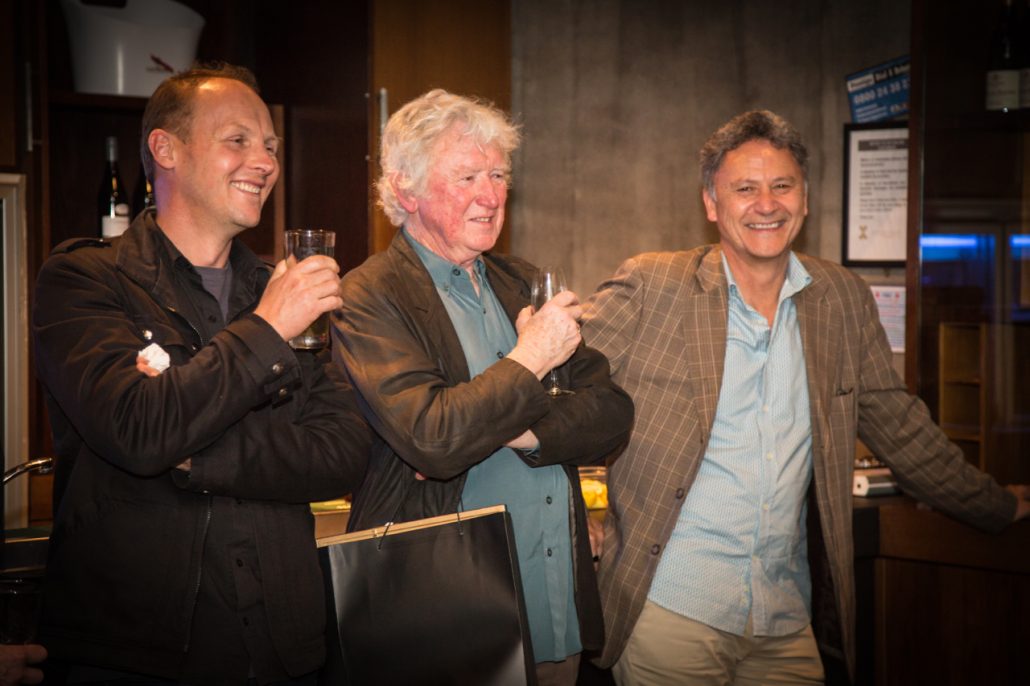
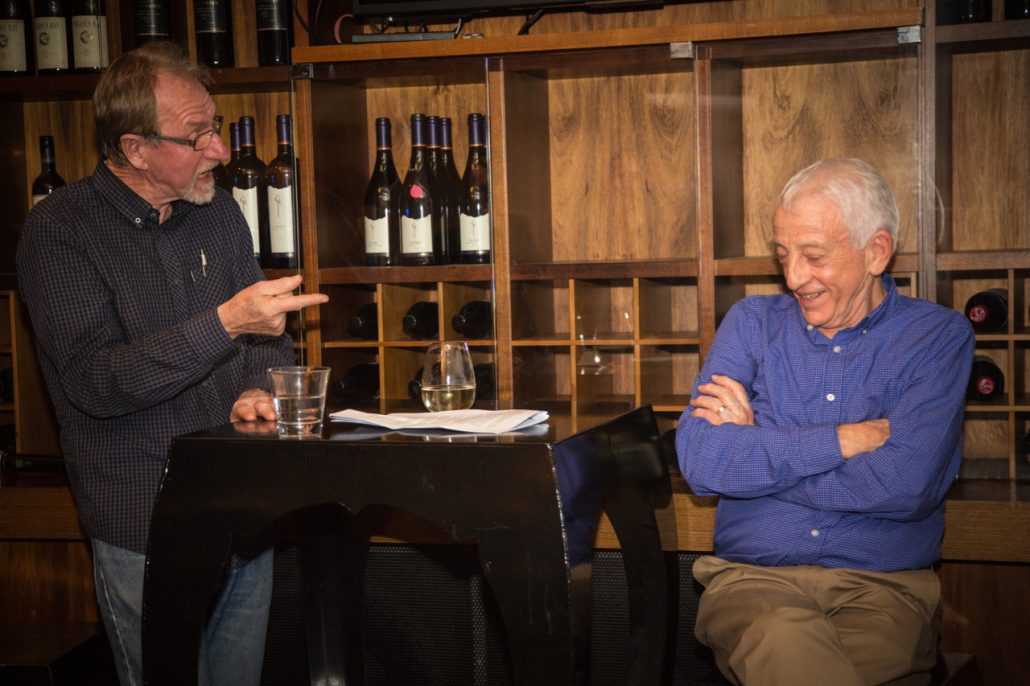
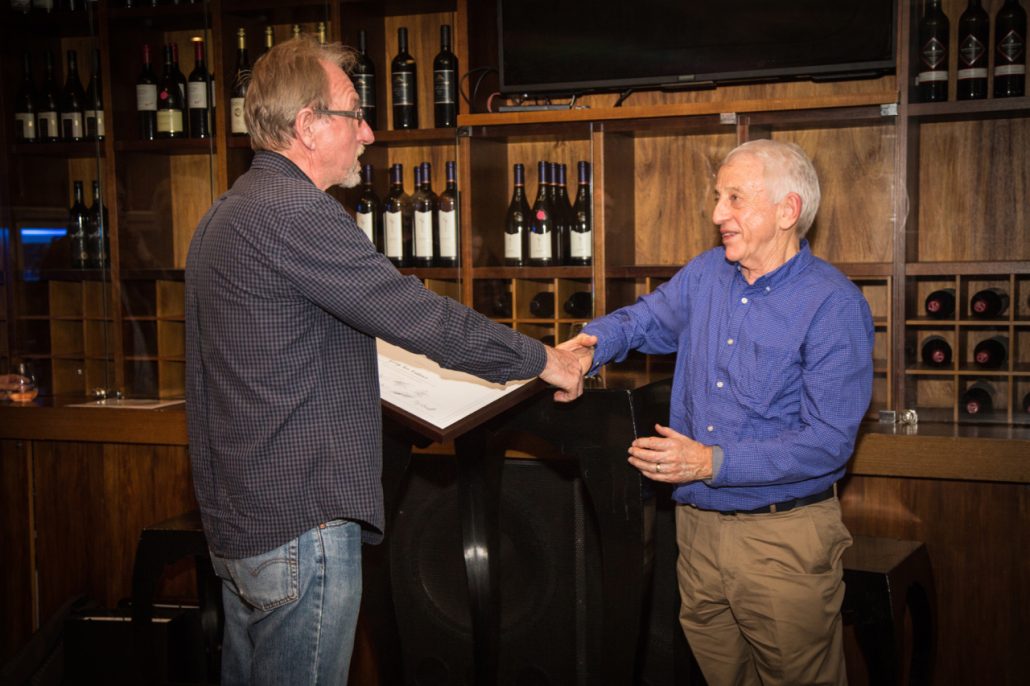
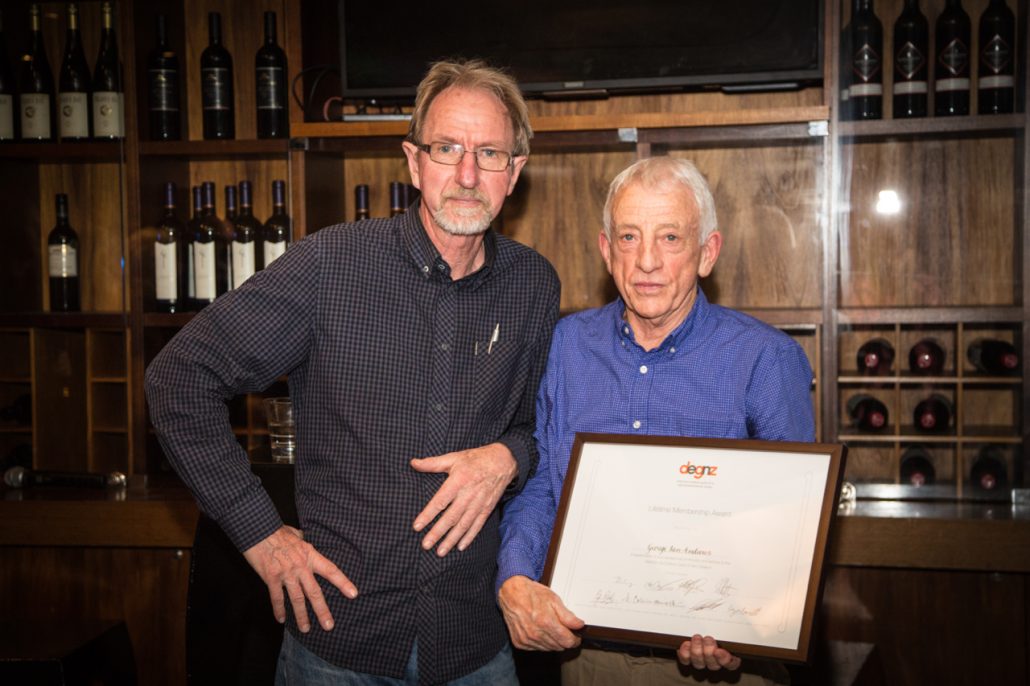
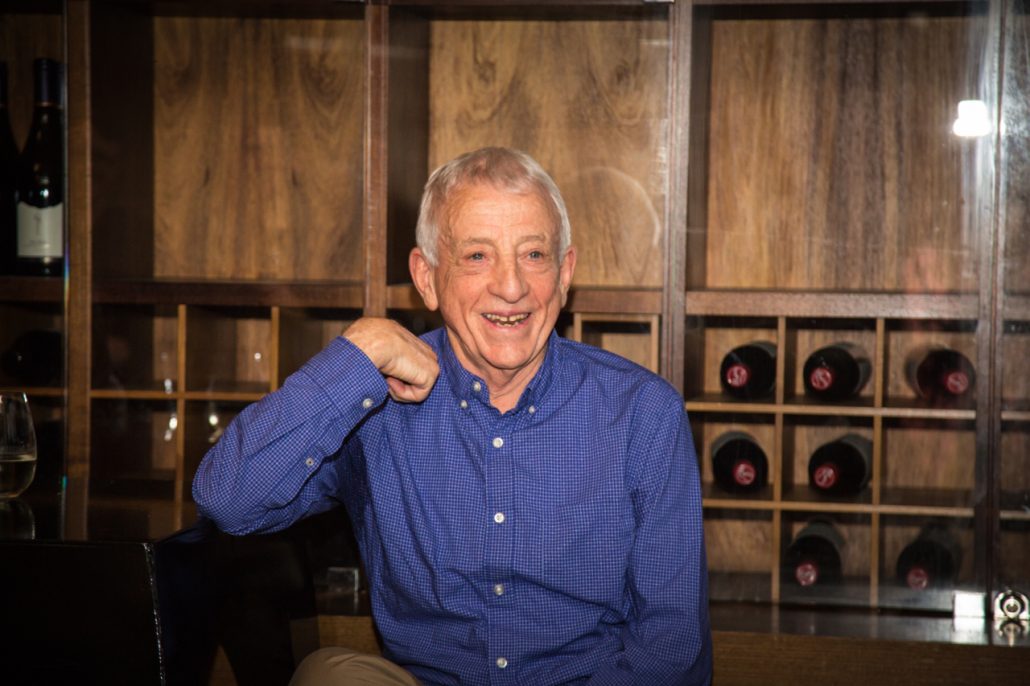
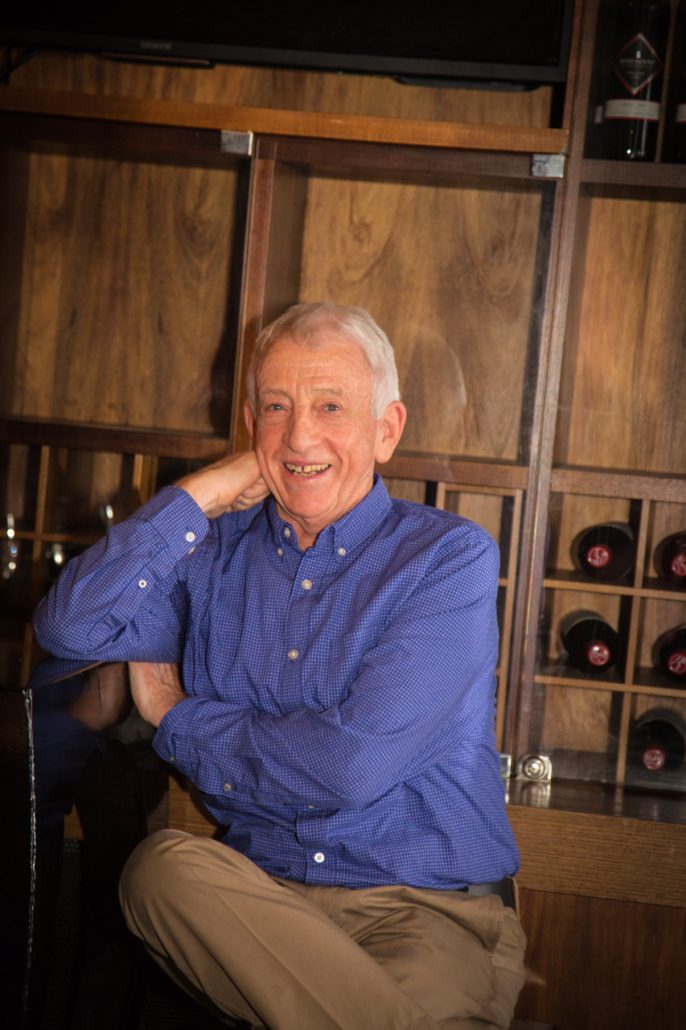
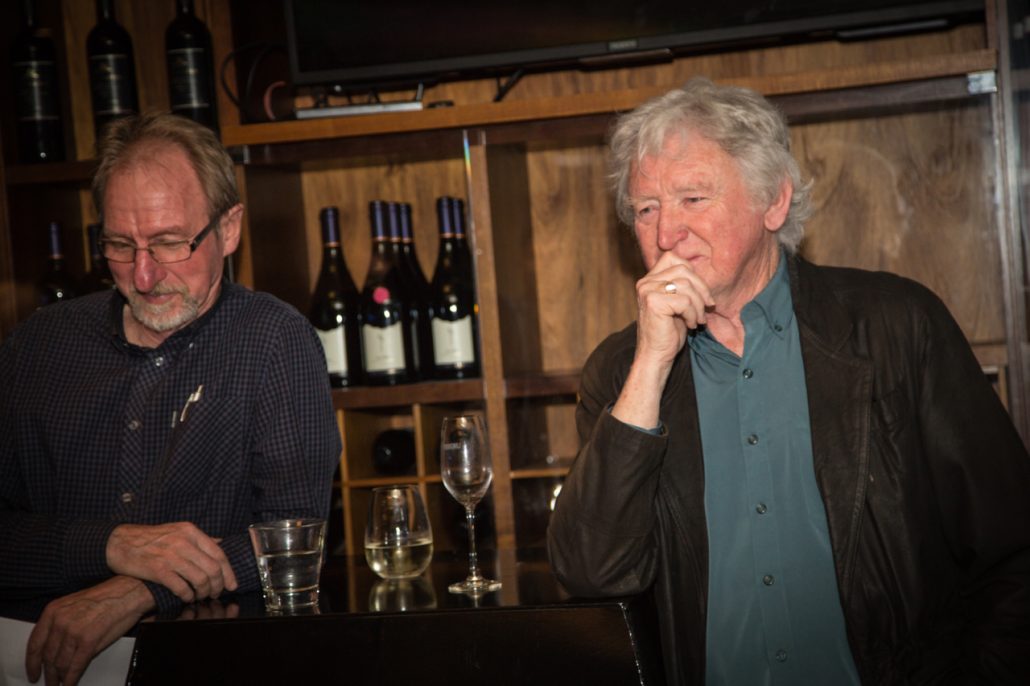
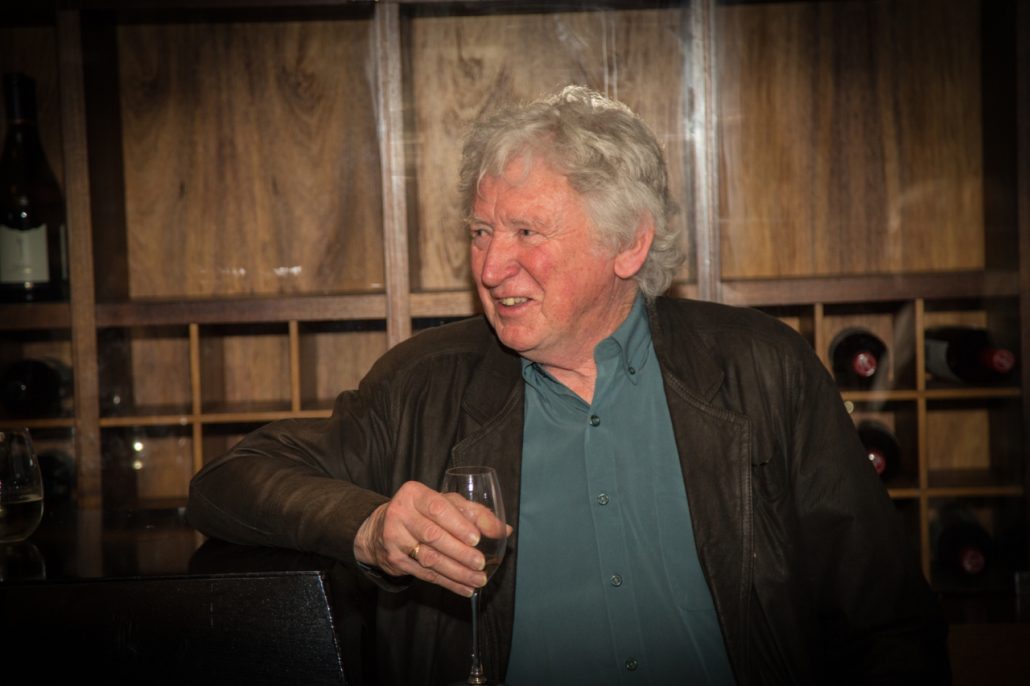
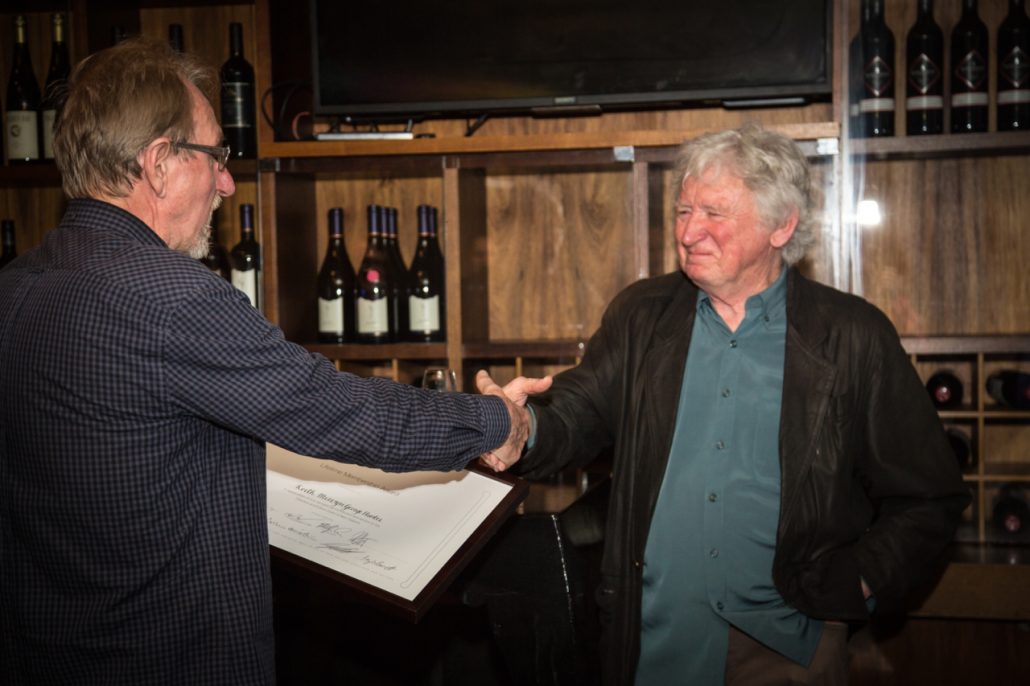
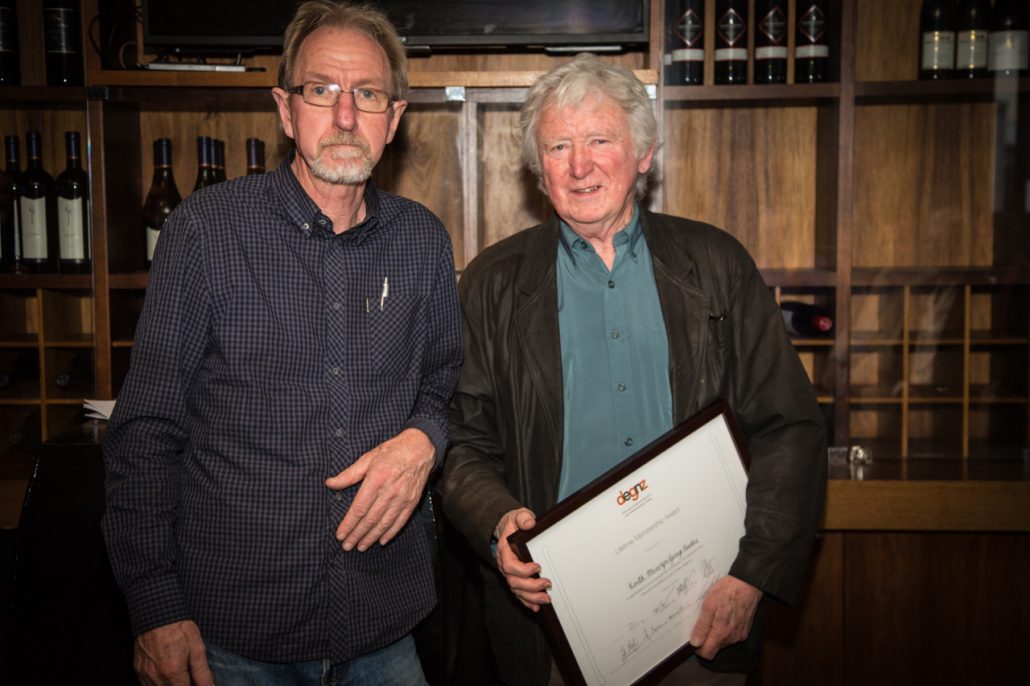
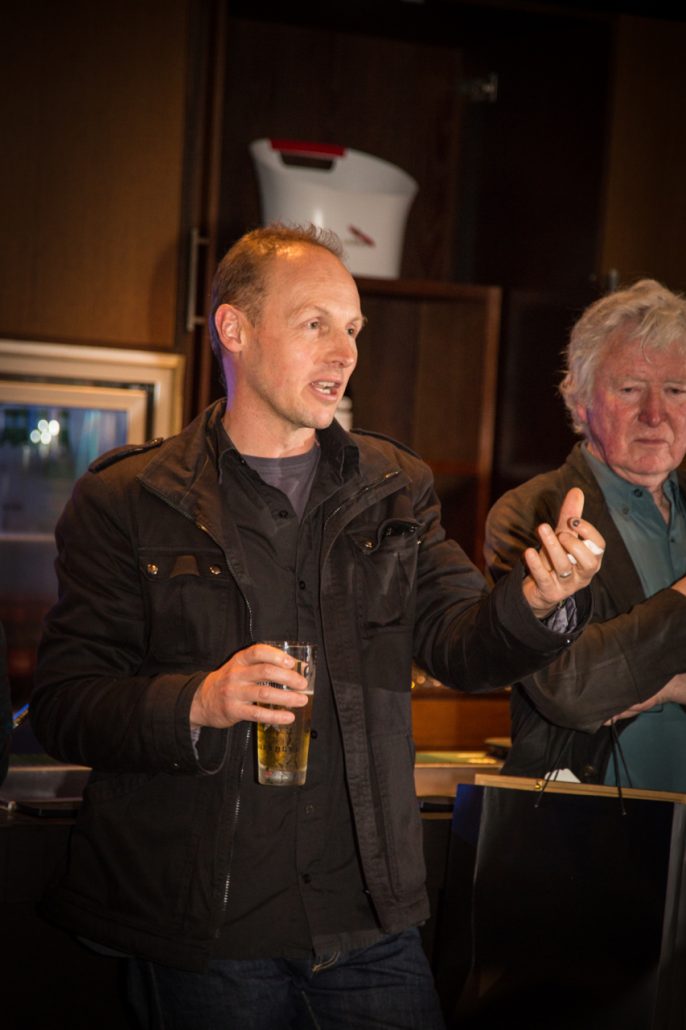
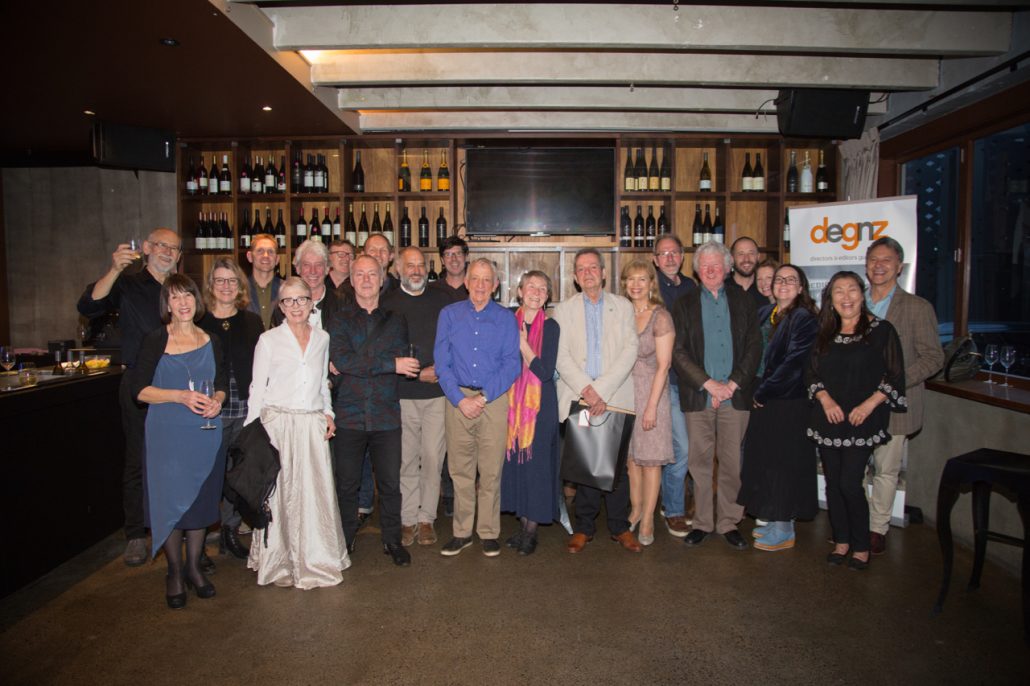
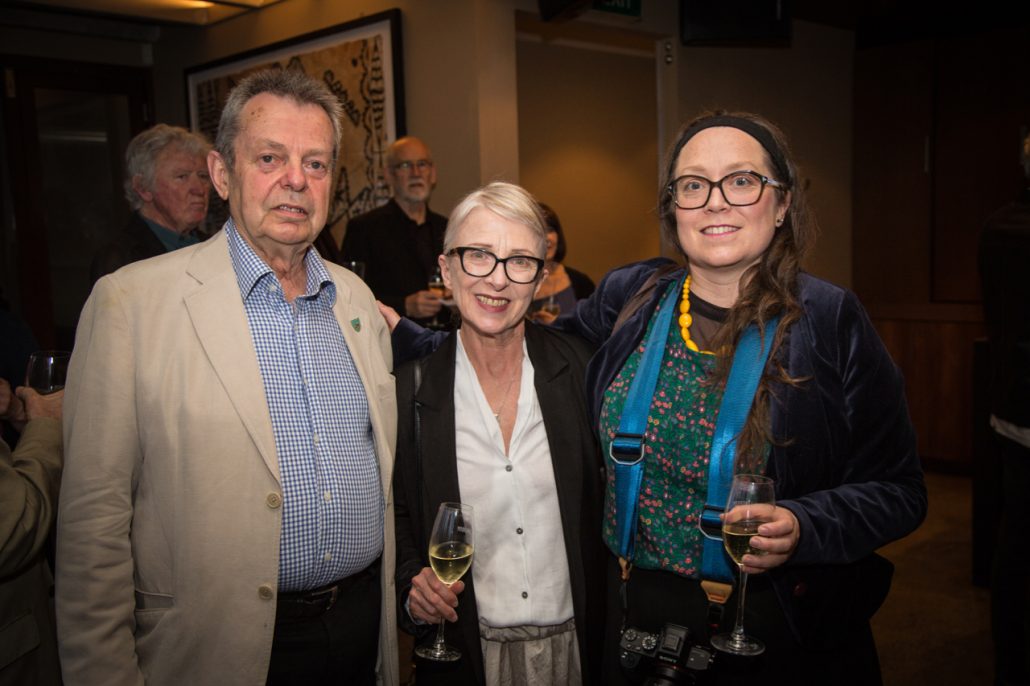
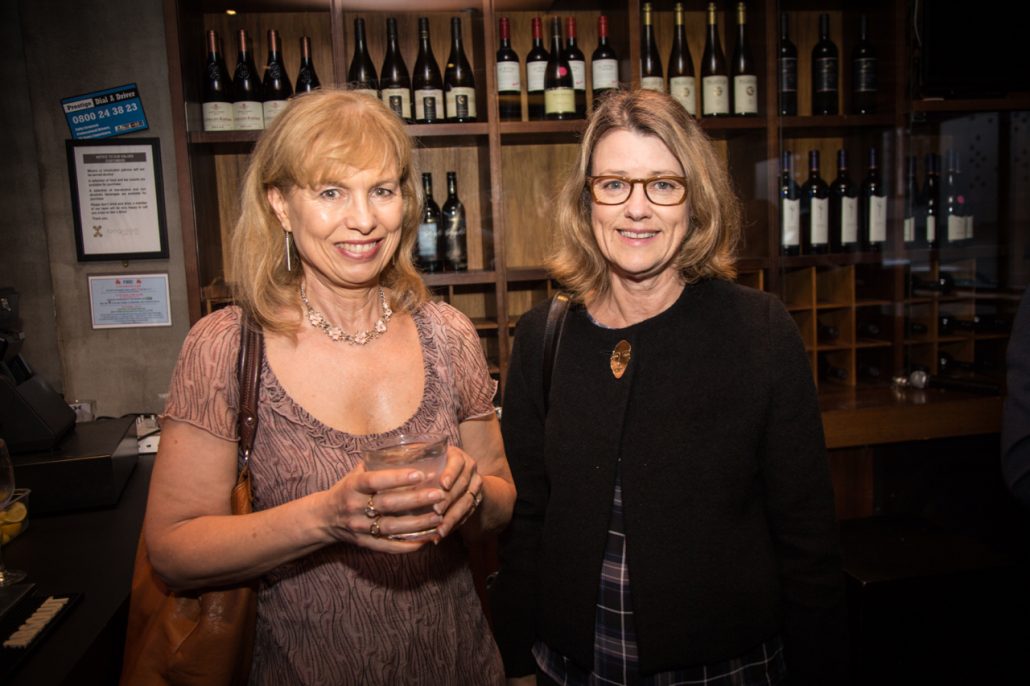
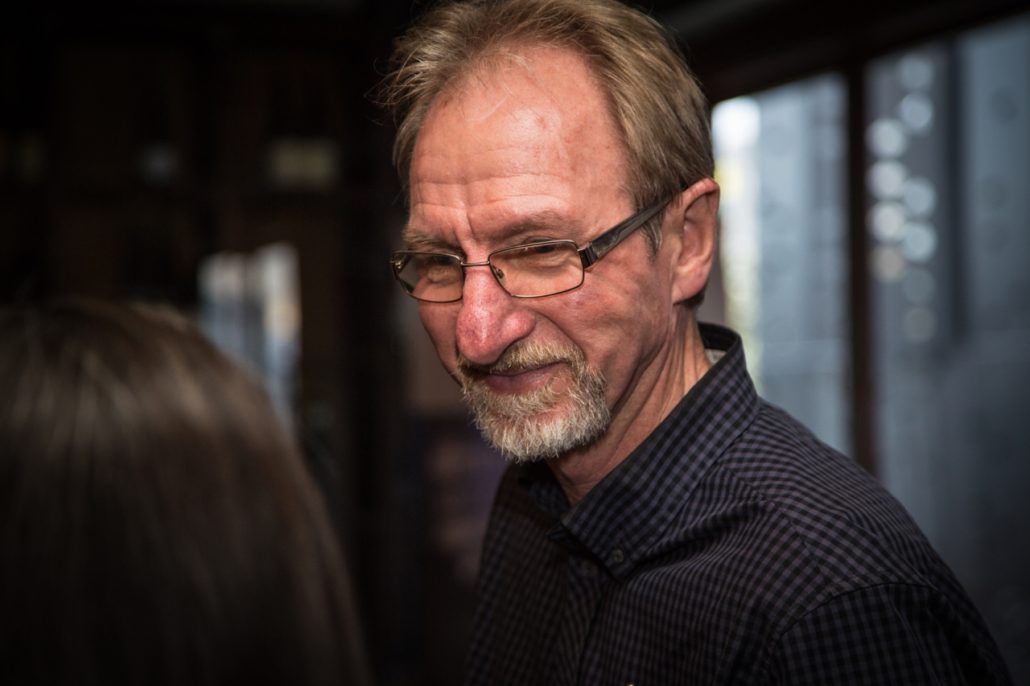
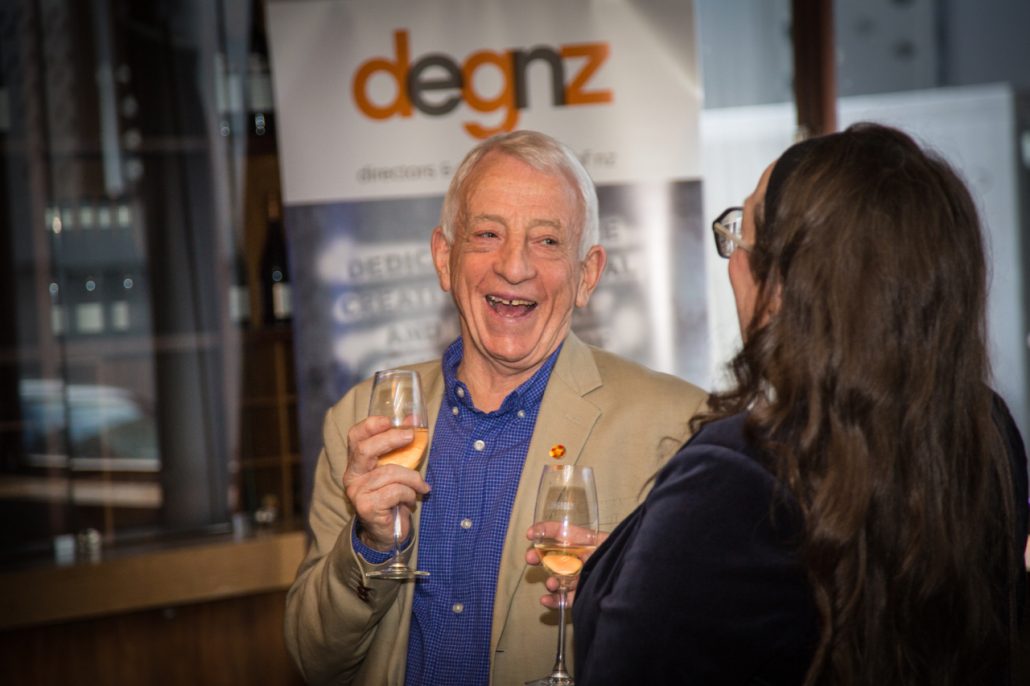
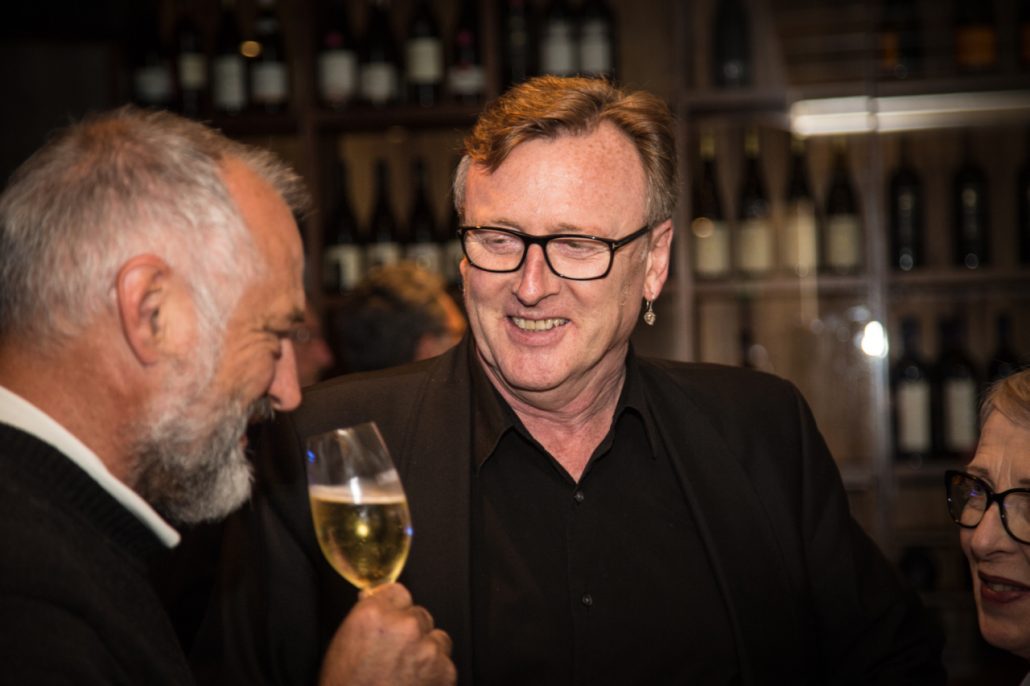
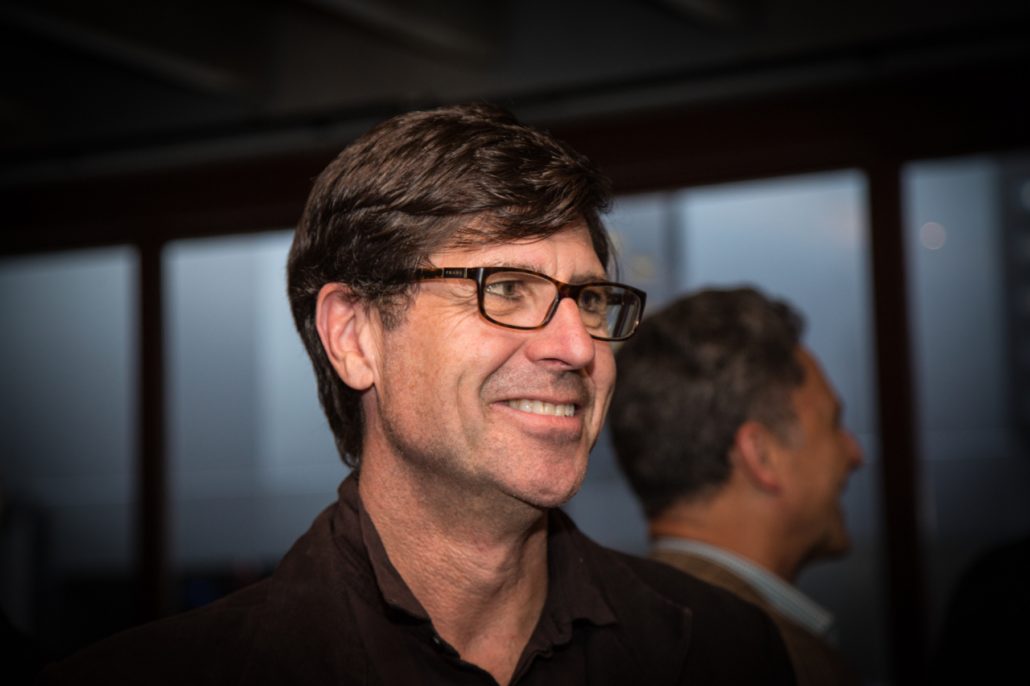
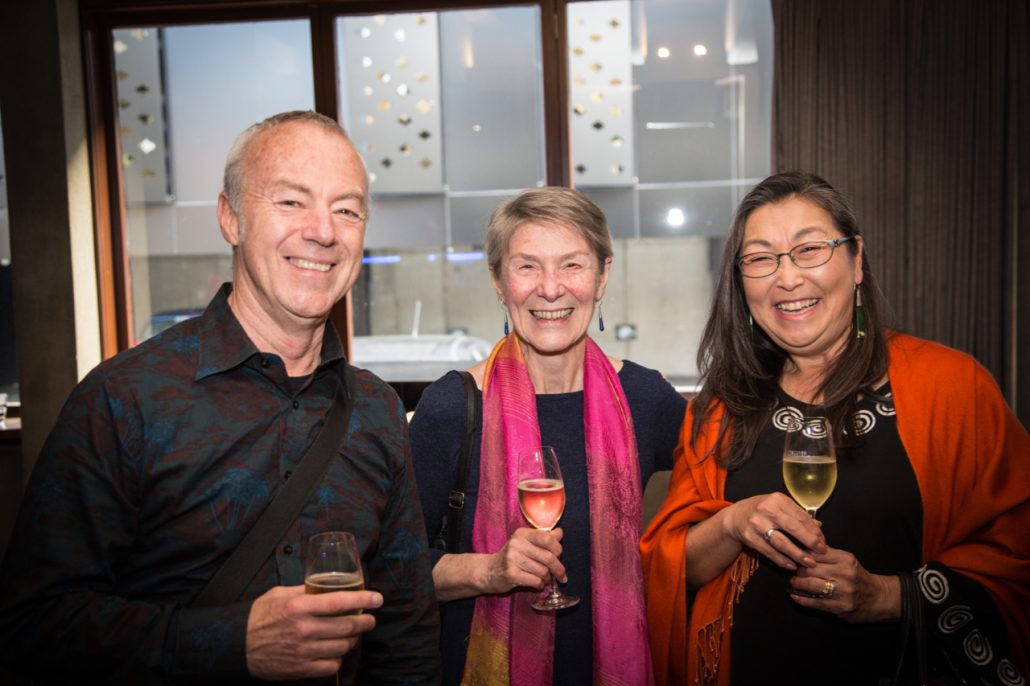
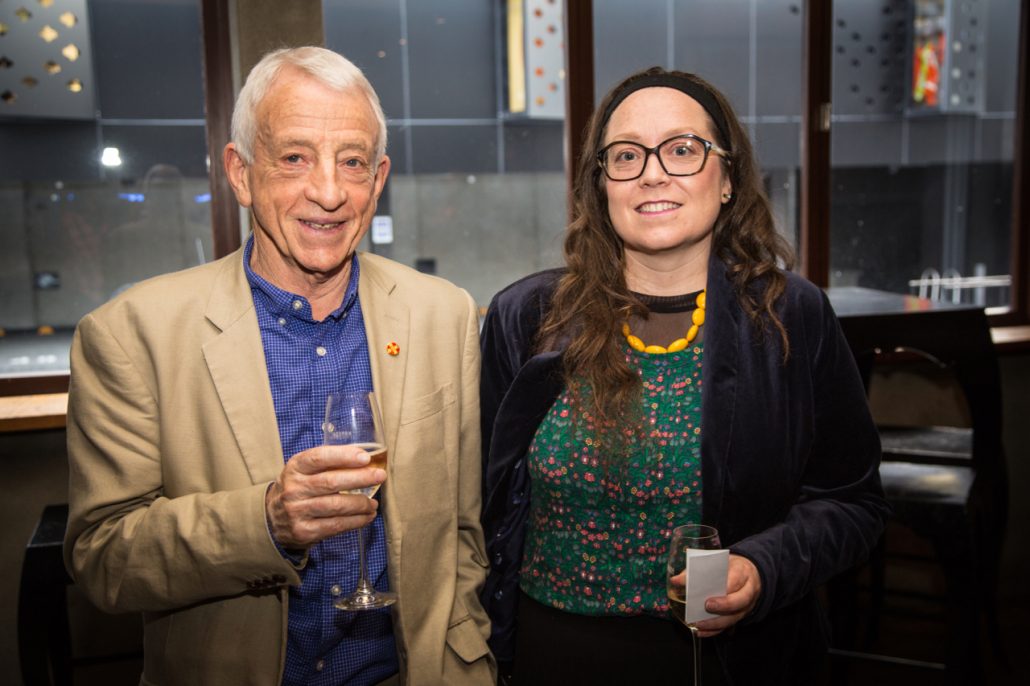
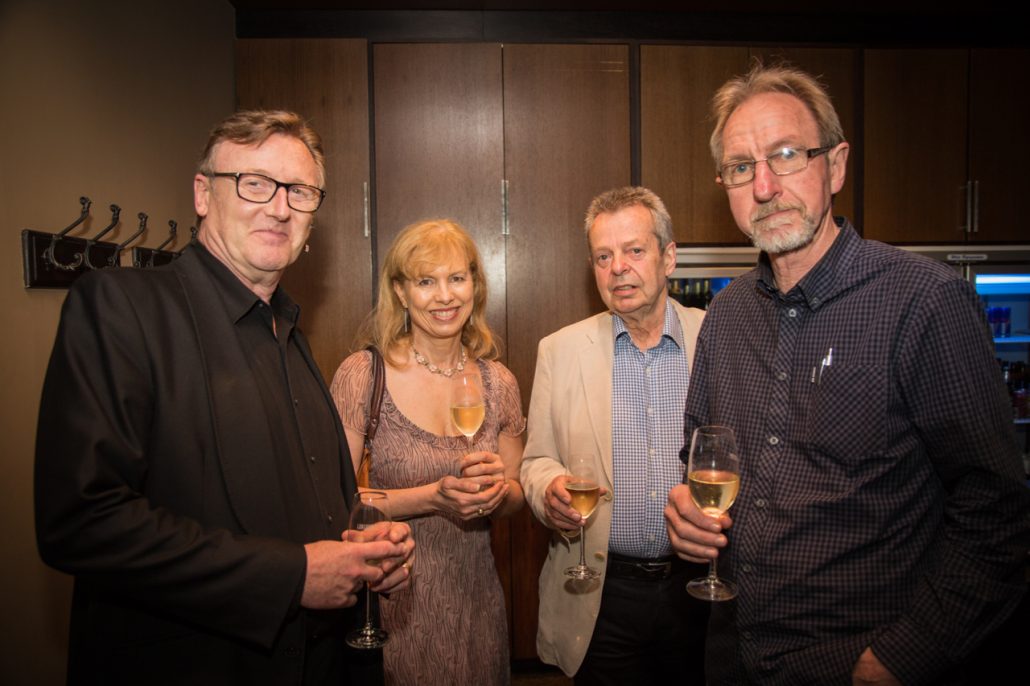
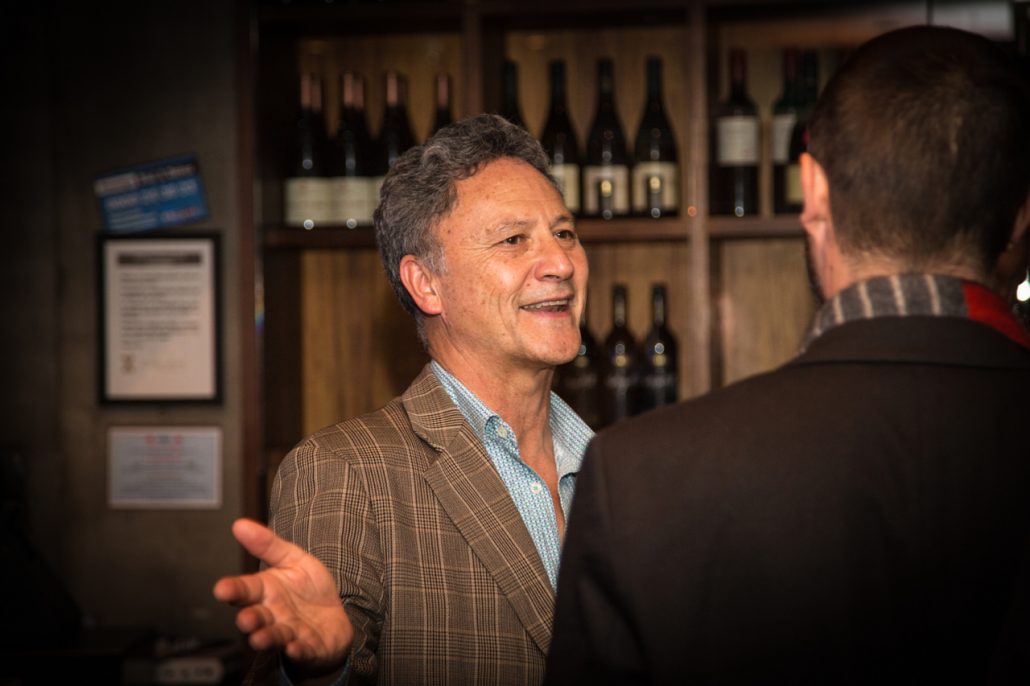
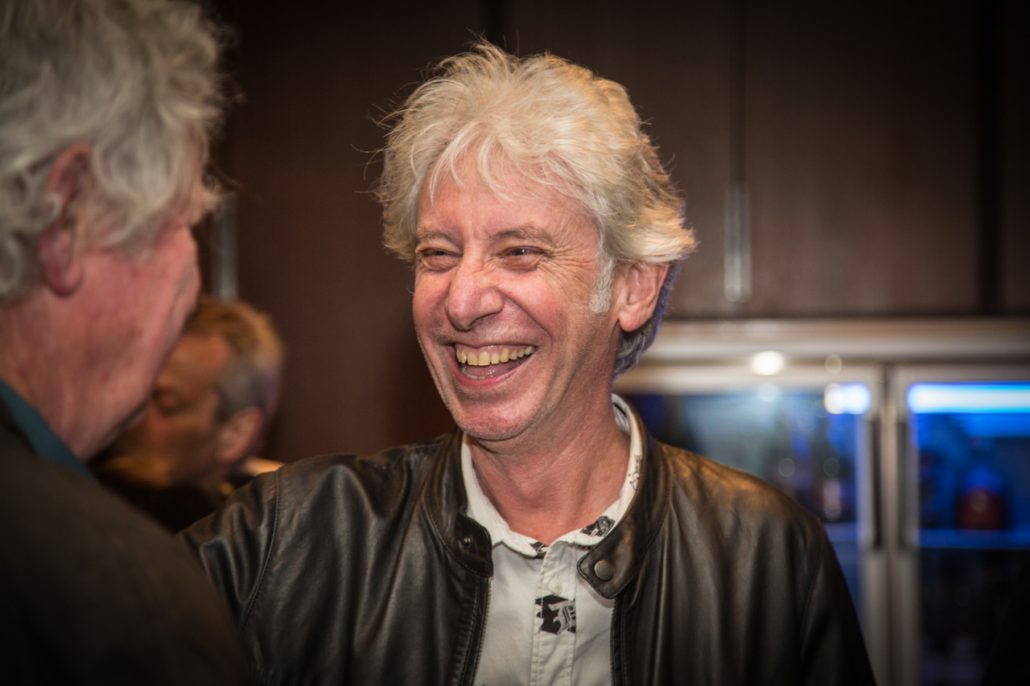
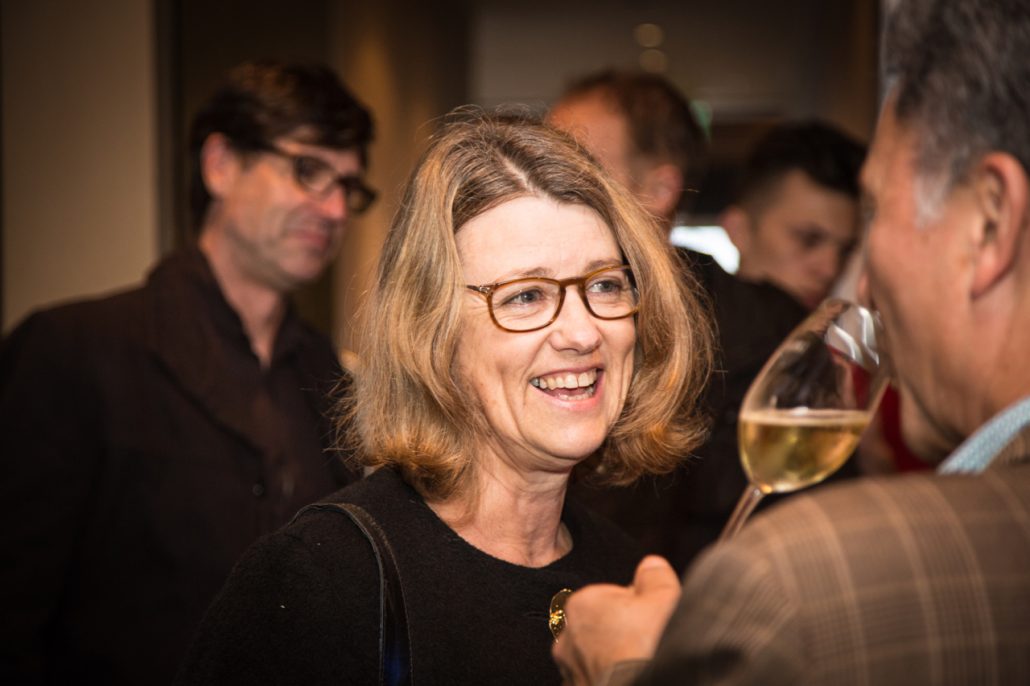
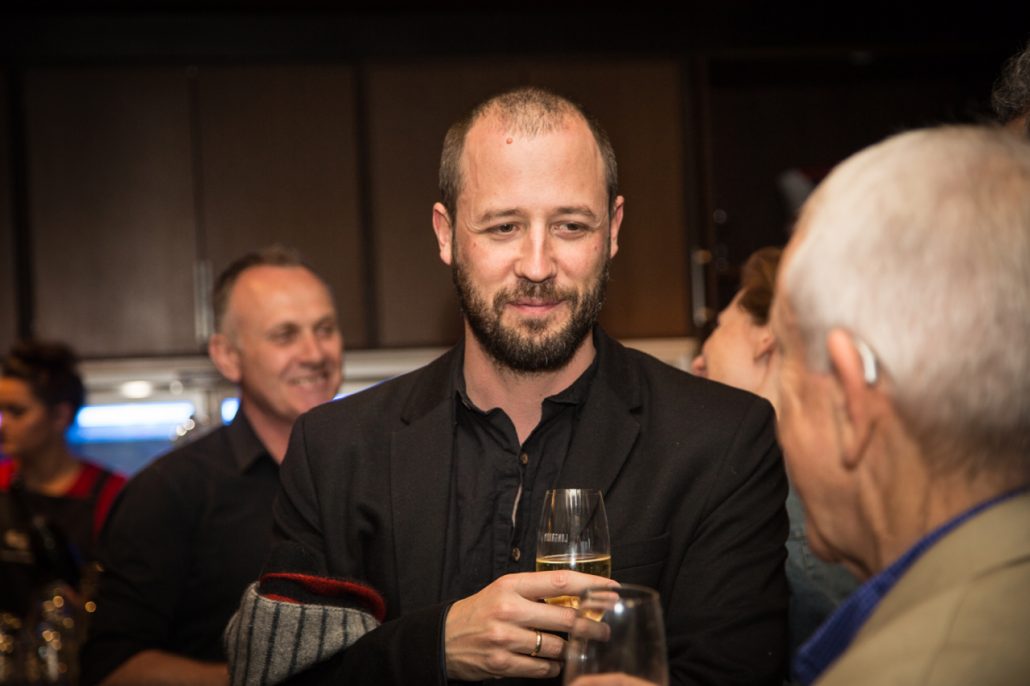
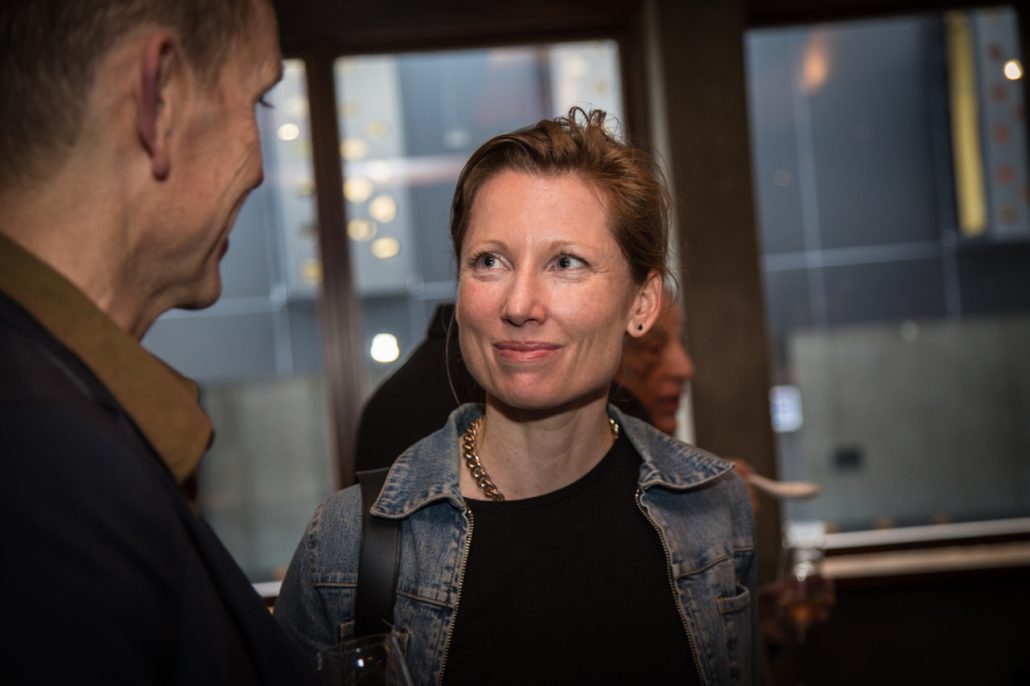
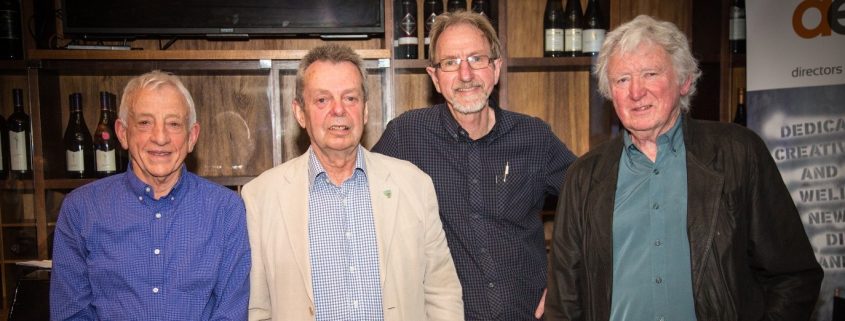
It was a great night at the DEGNZ Lifetime Membership Awards Dinner on October 6 as we came together to honour our three Lifetime members Keith Hunter, George Andrews and John Reid.

“We wanted to acknowledge their passion for the craft of directing and the industry, which has seen all of them go above and beyond in seeking to ensure the creative, cultural and financial wellbeing of New Zealand directors and screen practitioners.” – Howard Taylor, President of the Guild

The event was held at Longroom in Ponsonby, Auckland. Thank you to everyone who attended for helping to make the night such a success!

Last updated on 20 March 2020

Like most everyone else, I’ve been walking around with a smile on my face since Winston Peters decided which side of the seesaw to get on.

I’m not as rabidly dogmatic as many left of centre seem to be in the screen industry, but I do know that the social fabric of New Zealand society has been torn under National, the Arts have suffered, and it deeply disturbs me that we can’t swim in many of our waterways anymore.

I’ve read numerous articles online about what the change of government means for education, transport, trade, the economy, the environment and other sectors, but I haven’t seen anything yet on what it means for the Arts, and more particularly for the screen industry. So like everybody else, I’m going to postulate about some things.

Firstly, the minister for Arts, Culture and Heritage will be Grant Robertson, moving it far up the ladder from where it sat with Maggie Barry. Jacinda is passionate about the Arts and has been Labour’s Arts spokesperson, but won’t have the time this term to deal with it. I believe she’ll give the portfolio to Robertson, another strong Arts supporter, who himself will be busy with Finance. I’ll happily eat my words if Jacinda keeps it, though.

Second: the Hobbit Law. It’s goneburger. Labour outlined in its Fair Pay Agreements (FPAs) the ability for employers or employees/unions to be able to begin negotiations on FPAs once a sufficient percentage within an industry call for one. Under The Hobbit Law, all workers in the screen industry are classified as contractors, cannot collectively bargain and are not subject to the minimum working wage requirement—all the antithesis of what Labour stands for. The Hobbit Law will go and it’s up to the guilds to make sure that happens and that we unify to seek sustainable careers in the screen industry.

Next, copyright for directors. The Copyright Act Review is underway. I put considerable effort into lobbying Jacinda directly about director copyright when she was the Opposition spokesperson for Arts, Culture and Heritage. Director copyright is about sustainable careers, a touchpoint for Labour. Our chances on changing the copyright law are now slightly improved but will still need significant effort on our part. It’s not a big ticket item for government, but hopefully with Robertson we’ll have a more sympathetic ear and will be able to get to the other ministers who will count.

The other aspect of copyright is Google’s desire to see relaxed US Fair Use and Safe Harbours legislation enacted here, replacing our Fair Dealing regime that is more stringent and protects the intellectual property of creators better. They must have choked when Winston Peters said he was going with the Labour Party. Years of upfront and behind-the-scenes lobbying to swing National to their view just hit a major speed bump. But they had moved many beaureaucrats toward their line of thinking as well so we’re not off the hook yet. We still need to fight hard to keep Fair Dealing in the face of Google’s enormous financial muscle.

Then there’s public service TV. Radio New Zealand will be transformed into Radio NZ + as promised, giving us a digital platform that will deliver more quality reporting and investigative journalism, Maori, Pasifika and other diverse community content, as well as education and entertainment for children. How the additional $38 million will be spread between the proposed independent Public Media Funding Commissioner and NZ On Air funding is unclear, but it would seem that anything that falls under the remit of the new commissioner that currently is being funded by NZ On Air will move to the new fund, thereby not increasing NZ On Air’s funding but giving it more money to play with in the commercially contestable realm, which will continue to be its responsibility.

Labour understands that the Arts can also generate revenue, and that the screen industry is a significant employer as well as a hotbed for commercial innovation, particularly at the higher end. Steven Joyce never liked the screen incentives although he was smart enough to know we needed them. They will stay, and everyone will await the outcome of the full Ministry of Business, Innovation and Employment assessment of the screen incentives currently underway. We might see more production funding for the NZFC for NZ films, which didn’t increase under National although they did top up the Screen Production Grant for both NZ and international films. This funding increase would come out of the Ministry of Economic Development portolio, who is supported by MBIE, who essentially controls the Ministry for Culture and Heritage, at least for the moment. David Parker will be the new Minister for Economic Development.

What about a Minister of Broadcasting? I’m sure Amy Adams helped do away with this as the last minister because she viewed broadcasting as a sunset industry. Labour won’t reintroduce one because Broadcasting, which essentially means Free-to-air these days, no longer holds the sway it once did.

We have to give thought to our public broadcaster TVNZ. This is a vexing question. It’s not the public broadcaster it’s meant to be. Labour would probably flog it off if there were a buyer for it, but who would want it? Perhaps a US network like CBS who has just won its battle to acquire Australia’s Network 10 for US$167 million? Or Fox, who lost out to CBS? Or a private equity fund like Ironbridge who stepped in to save Mediaworks? I don’t think there will be a knight in shining armour for TVNZ, though, with Mediaworks sitting there as an abject lesson, essentially held up by its radio business.

I’m guessing that Labour will leave TVNZ to its own commercial devices after stripping it of its public service mandate, and using whatever dividend it generates to help fund public broadcasting. A more interesting question is what will happen to the public broadcasting and current affairs shows funded by NZ On Air currently on the commercial channels, including the Māori programming? I think they’ll be looking for a new partner to + with.

Will Māori get more money to play with in the screen sector? Yes, because of the work that’s been done by NZFC around their Māori strategy, but that was coming anyway. No for Te Māngai Pāho who already received a boost last year, although not for content. I’d personally prefer that Labour made te reo mandatory in schools through their education policy rather than funding TMP to revitalise the language via Māori Television, although Whakaata Māori would need to keep producing Māori language content until we all caught up.

I don’t believe NZFC and NZ On Air will be merged. We have a new NZFC CEO who will be on a three-year contract. And with other changes to come and those that have recently occurred in and around the funding bodies, it doesn’t make sense to pursue such an idea now.

Creative New Zealand is going to get some attention. Grant Robertson as Associate Spokesperson for Arts Culture & Heritage in a Radio NZ interview prior to the election outlined thoughts that will require some restructuring at CNZ to achieve Labour’s ideas around regional Arts development, more practioners at the top table, and how to ensure young and emerging artists get a fair crack at the funding pie.

In the same interview Robertson gave Labour’s perspective on the Arts:

“Arts are the window to the soul of our people and our country.”

Labour is supportive of the Arts. It wants to see more funding go to the Arts. But it will take time for this to happen and their main focus will be elsewhere for awhile. I don’t think any of us will complain too much if they give first attention to homelessness, mental health, the minimum wage and the housing crisis.

Tui Ruwhiu
Executive Director

Last updated on 29 July 2020

I’ve had an incredibly busy time these last few weeks attending industry gatherings, and if there’s one thing certain, it’s that change is coming.

New Zealand On Air held a drama day recently with more than 130 industry people who intersect with drama. As most of you will know, there has been a large amount of criticism levelled at current NZ scripted content, primarily by The Spinoff’s Duncan Grieve. He has a low opinion of the high-end drama that is currently being made, and he is supportive of the idea that those operating in the self-funded and low-budget digital realm—including himself—should be given more money and opportunity. His complaints have resonated with a lot of people.

Also, we at DEGNZ and the NZ Writers Guild have been particularly vocal about the appalling exploitation of creators by online platforms, some of whom are doing it with NZ On Air funding attached. (Look out for our upcoming Young Creators events.) After a day-long talk fest that was productive, NZ On Air has published a summary that identified four areas of focus for them:

  1. Development
  2. Diversity
  3. Innovation
  4. Newer platforms

They are currently working on developing a drama strategy that will take these into account. In the meantime, they have suspended funding for any new drama development funding. It’s likely that it won’t be until the first quarter of 2018 that their new strategy will come through in their operations, but there’s definitely some change on the way. Read the summary from the Drama Day here.

A week later, I attended a presentation by streamer Lightbox, who announced their first commissions. After showing us the multi-million dollar per episode US dramas and multi-hundred thousand dollar per episode NZ On Air funded reruns they stream, Lightbox announced the funding of new digital content from, you guessed it, Duncan Grieve and the web series makers behind High Road. While Lightbox were breathless about their low-budget commissions, there was a collective silent sigh in the room from those who didn’t already know that Lightbox wasn’t coming with Netflix-style commissioning budgets.

Still, it’s better than nothing, which is what had been happening in the paywall streaming space with commissions (that is public knowledge) until this point in New Zealand. Lightbox assured us that they had money to spend. If so, it’s a pity that didn’t make the bold move that everyone is craving for, rather than low-risk ones.

With Netflix committed to spending $500 million in original programming in Canada next year, we can only hope that they will spread some of their largess around here sooner rather than later or we’re all going to die from anticipation.

On the Friday before the Big Screen Symposium (BSS), DEGNZ brought the other guilds and associations together to discuss the concept of a Code of Ethics for the screen industry. As I have written about repeatedly, we are extremely concerned about the terms and conditions being offered in commercial transactions by platforms/producers for scripted web series.

The worst offender is NZME, although there are others who aren’t too far behind. With one of a number of projects I am aware of, the content creator ended up getting approximately $10.00 per hour to create and produce a web series, has no right to revenue share and retains no IP whatsoever in the project. These are just some of the issues with the contracting for this particular show.

Opportunity for eyeballs, future work, blah, blah, blah are the big carrots that entice creators to take on these projects. But in the Guild’s view the platforms are exploiting creators for their own commercial ends—this we believe is unethical behaviour.

DEGNZ feels we need a Code of Ethics for all in the screen industry—funders, platforms, broadcasters, screen industry practitioners—to protect the rights of writers, directors, producers, cast and crew, particularly in the brave new world of no-budget and low-budget screen content creation. After considerable discussion, all of the guilds and associations have agreed to raise the idea with their memberships, and in the first instance, get feedback as to what people are experiencing at the coal face.

DEGNZ is determined to bring about change to help ensure sustainable careers not just for directors and editors, but also for all screen industry practitioners. Our President, Howard Taylor, is the instigator and main driving force behind this initiative. We will update you on this as we go.

At the BSS, current CEO of the NZ Film Commission Dave Gibson gave his valedictory speech entitled ‘Change and Challenge’. The biggest change coming with NZFC is who will replace Dave after he finishes up in December. We wait with bated breath and should find out soon.

In his speech, however, Dave spoke to the changes that have and are occurring in the small screen, and many of those he wrought in relation to our big screen. Some key points he made were around the introduction of a further three planks of NZFC affirmative action to address gender inequity, and some significant time spent on explaining the structure of the New Zealand film library Te Ahi Kaa, and the establishment of the New Zealand film rights management entity Te Pun Ataata. Both are intended to help preserve and provide access to New Zealand’s film history. He also hinted at the Māori Strategy, which has been in development at NZFC for two years. You can read Dave’s full speech here.

Then on the Monday after the BSS, I attended a day-long Industry Summit that brought together all of the funders, guilds and associations to discuss industry issues. Each participant was asked to speak briefly to three topics that most concerned them. I spoke about:

  1. Copyright
  2. Code of Ethics
  3. Quality versus Quantity, i.e. less productions, more money per production

With 21 attendees there were a range of issues. What was most encouraging from our perspective was that Jane Wrightson of NZ On Air identified with our thoughts on a Code of Ethics. What was clear was that the screen industry till now has not had an effective, unified voice to talk particularly to government with.

It may well be that Auckland Chamber of Commerce CEO Michael Barnett who facilitated the discussion and who is developing a ‘Next Step’ plan for us, will identify this as one area of focus. There will be more to come on this, which we will keep you appraised of. Thanks have to go to Brian Kassler of Showtools who organized this event.

And finally, the weekend after BSS I attended the Ngā Aho Whakaari Hui-ā-Tau two-day conference. I was asked to speak to our work around the Code of Ethics and was also invited to sit on the panel for the short film pitches. But staying with the theme of change, we heard in oblique detail from NZFC CEO Dave Gibson more on the Māori Strategy, which they hope to have confirmed at the board meeting this week. There is a considerable shakeup coming with how NZFC deals with and funds Māori.

A lot of the initiatives Dave will leave behind will be fait accompli for the new CEO Anabelle Sheehan, but she will undoubtedly  have some of her own changes in mind she’ll want to bring about. Let’s hope that they are good ones.

Preceding all of the above was a three-day NZFC workshop I attended as part of my ongoing professional development. I think I need a cup of tea and a lie-down.

Tui Ruwhiu
Executive Director

Last updated on 21 February 2018

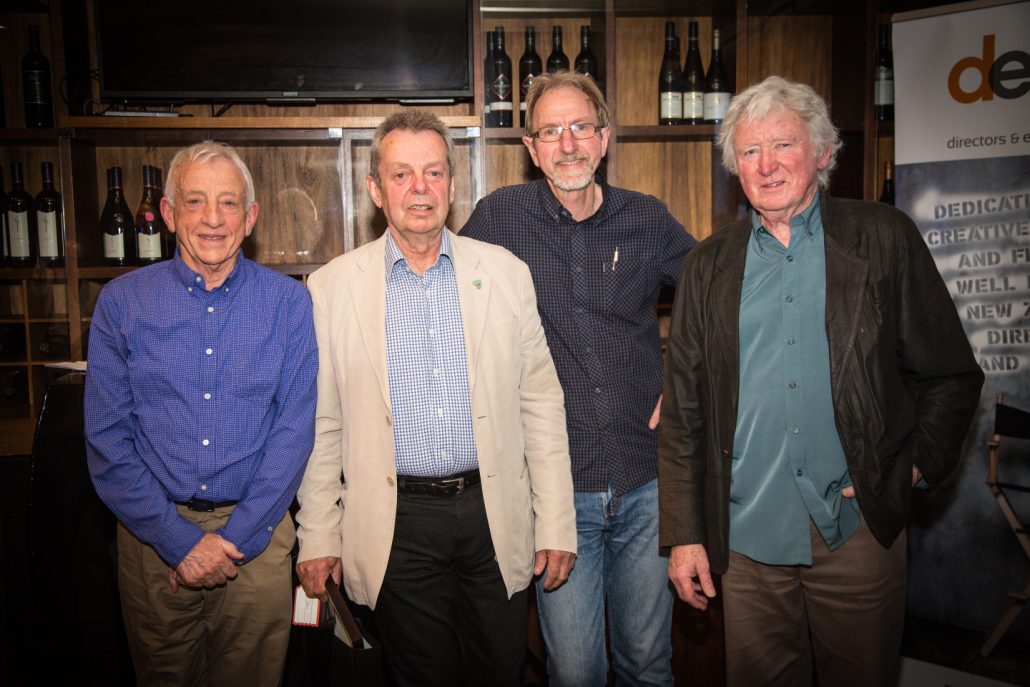
L to R: George Andrews, John Reid, DEGNZ President Howard Taylor, Keith Hunter.

PHOTO: Focalpoint Photos

FOR IMMEDIATE RELEASE


Thursday 12 October 2017

At an awards ceremony and dinner on Friday 6 October in Ponsonby Auckland, Howard Taylor, President of the Directors & Editors Guild of NZ, confirmed Lifetime memberships with the presentation of certificates for three long-serving members of the guild, directors Keith Hunter and John Reid, and producer George Andrews.

“Keith, John and George each have made significant contributions over many years as board members, with Keith and John involved in setting up the guild,” Taylor said.

“We wanted to acknowledge their passion for the craft of directing and the industry, which has seen all of them go above and beyond in seeking to ensure the creative cultural and financial wellbeing of New Zealand directors and screen practitioners.”

The Guild’s first President, Keith Hunter is an award-winning writer and documentary maker, known for his investigations into miscarriages of justice. His screen credits include The Remand of Ivan Curry, Out of the Dark, Staunch, and award-winner Murder on the Blade?, about the Scott Watson case. Hunter has also directed drama and comedy on shows such as Mortimer’s Patch and Letter to Blanchy.

John Reid made his feature debut with an acclaimed adaptation of Roger Hall play Middle Age Spread. Since then he has directed three more features ranging from raw comedy to moody arthouse pieces, plus a host of television programmes and commercials. John was Guild President for many years.

Long time Guild board member producer George Andrews has been making documentaries about New Zealand for more than 40 years, including legendary documentary series Landmarks. He has also been a vocal advocate for public service broadcasting and helped found TV3. In 2002 he was made an officer of the New Zealand Order of Merit, for services to television.

“All three maintain an interest in industry matters and remain active,” Executive Director of DEGNZ Tui Ruwhiu said. “John is writing a book on stalwart of the New Zealand film industry John O’Shea, while Keith is penning his yet to be announced third book. George, as always, continues to pursue screen projects that are close to his heart while finishing a book and working with the Film Archive.”

“We are so pleased that these three industry icons will have a permanent place within DEGNZ.”


ENDS


For further information contact:

Tui Ruwhiu
Executive Director
Directors & editors Guild of NZ
+64 9 360 2102
+64 21 659 950
tui@deganz.co.nz

Last updated on 10 April 2018
Get more control over your career by knowing the pitfalls to avoid before you set out on your web series dreams.

Be informed about issues currently facing web content creators in NZ. Lately, we’ve seen some appalling agreements given to our director members to sign.

In response, DEGNZ has been busy on a standard contract for scripted content on the Web for Directors that will be launched at Before You Say Yes to Web Series.

You have the right to be compensated fairly for your creativity, ideas and hard work. This contract will help!

If the mention of “contract” makes you want to curl up into the foetal position, no fear, we’re bringing Tim Riley in from Dominion Law to break down that jargon. Without boring you to death.

DEGNZ supports your right to work for free, too. But if you do get the opportunity to make scripted online content and be paid, we’d like you to know what we believe is fair for your creative contribution. And when there isn’t enough hard cash involved, what you should ask for to make up the difference.

Be sure to bring your mates and get in the mix!


When: Saturday 28 October, 10am – 12pm

Entry: DEGNZ members – Free / Non-members – $5 koha

Where: St Columba Centre, 40 Vermont St, Ponsonby, Auckland

Main entrance & carpark behind the Centre.


Before You Say Yes to Web Series is the first event and official launch of Young Creators, a brand new initiative from the Directors & Editors Guild of NZ.

DEGNZ Young Creators is a programme of events with a mission to inform and inspire younger or emerging directors and editors to build successful, sustainable careers in the screen industry.


Share the Facebook event here!

Stay up to date with Young Creators at facebook.com/degnz and twitter.com/degnz_online!

Last updated on 1 November 2018