
View from the Top banner

Last night I participated in the first of three sessions of the NZFC-supported Animation Matchmaking Series, put together by ourselves, the Visual Effects Guild and the Writers Guild.

One hundred and ten people turned out for the evening. Part of the event was for NZFC to talk about the He Kauahi Catalyst Fund and how it can be accessed for animation projects. Filmmakers also heard about how to put their best foot forward for both Catalyst and feature film development and production funding. The other part of the evening was dedicated to producers Fiona Copland and Angela Cudd speaking to their experiences of the animation projects they have worked on and are working on. The questions to all speakers were numerous. And humorous were some of the asides going on in the Chat.

What was reemphasised for me at the event was the absolute passion and thirst filmmakers have to make films. This is both a boon and a bane of our industry.

Without that absolute commitment, films don’t get made. It’s just so hard to do. And we see different expressions of it. From 48hours, which is about to start soon, to short filmmaking, microbudget features and beyond.

The film industry here and globally can’t survive without new generations of filmmakers willing to give their all to get their films made. And very few of them will be lucky enough to go on to have a career in filmmaking. 

What filmmakers sacrifice can be worth it. But they often give up a lot.

Getting paid a fee for one. Or letting go of the IP they laboured over for weeks, months, years, and not getting properly financially rewarded for it. Then there’s their health: the stress. The emotional, psychological and or physical toll. The list goes on. It all mounts up.

Nearly all of us—me included—enter into this maelstrom of highs and lows in the hope that we will be one of the ones that crosses the finish line of this creative marathon. But none of us escape unscathed. That’s why safeguards are important.

ScreenSafe is one of them, from education and making it safer on set to providing support when it’s needed. There are now intimacy coordinators and mental health first aiders running courses and providing input, and assistance when screen workers need help with issues.

On a bigger picture scale, the Screen Industry Workers Act (SIWA) is a safeguard, too. It’s there to set baselines for terms, conditions and rates of pay to help prevent exploitation and make our industry work in a more professional manner, as do most other countries with well-developed screen sectors. This is why having collective agreements in place is so important for both above and below-the-line workers.

Passion can then rule in a safer screen environment for everyone.


Tui Ruwhiu
Executive Director


Last updated on 7 August 2025
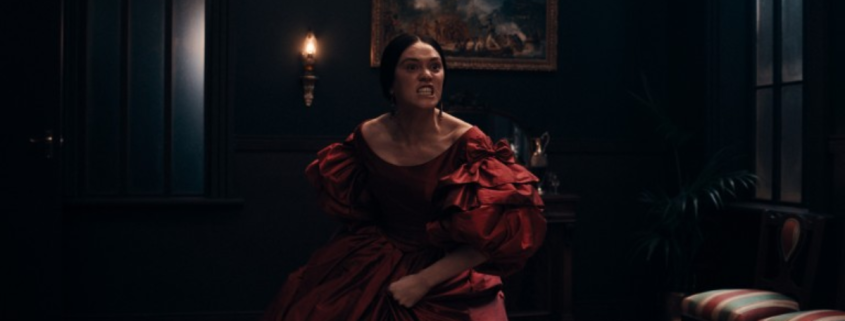
DEGANZ member Taratoa Stappard‘s debut feature film Mārama is celebrating its world premiere at the prestigious Toronto International Film Festival (TIFF) as part of the Discovery programme.

Mārama is a Māori gothic and tells the story of a young woman’s fight to reclaim her identity and indigenous culture in Victorian-era Britain. TIFF describes it as “A bold, unsettling gothic tale of identity, memory, and colonial reckoning.”

The film was developed with the support of NZFC through TIFF’s industry initiatives, alongside imagineNATIVE, The Black List, the Zurich Film Festival, and the Nerlinale Co-Production Market.

In the NZFC press release, Taratoa said,

To share my first feature with international audiences in the Discovery programme at TIFF is a huge honour. Mārama is my Māori gothic love letter to our whenua, our tīpuna and the stories that live in the shadows.

TIFF is one of the world’s highest-regarded film festivals, and the Discovery Programme is a leading showcase for emerging cinematic directors, launching many careers. This year, 23 films from over 30 countries are screening in the programme.

Congratulations to Taratoa on the impressive selection!


Last updated on 6 August 2025

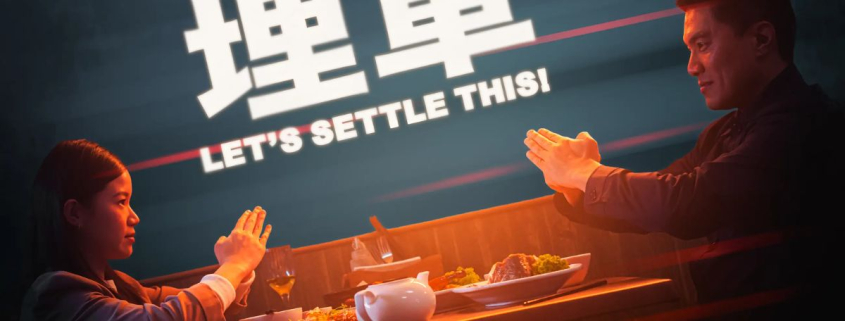
Congratulations to Jack Woon (DEGANZ) and the team behind Let’s Settle This for winning the Audience Award for Best International Short Film at Fantasia in Montreal.

Written, directed, and edited by Jack, the short blends modern romance, kung fu, and diasporic Chinese identity. When two kung fu masters meet via a dating app for dinner, they must settle the bill and an ancient blood feud.

The film premiered at the Bucheon International Film Festival in South Korea and recently screened in Tāmaki Makaurau as part of Whānau Mārama’s NZ’s Best short film programme. It will be travelling across the motu as part of the festival if you are keen to check out the action-packed dinner date.


Last updated on 6 August 2025

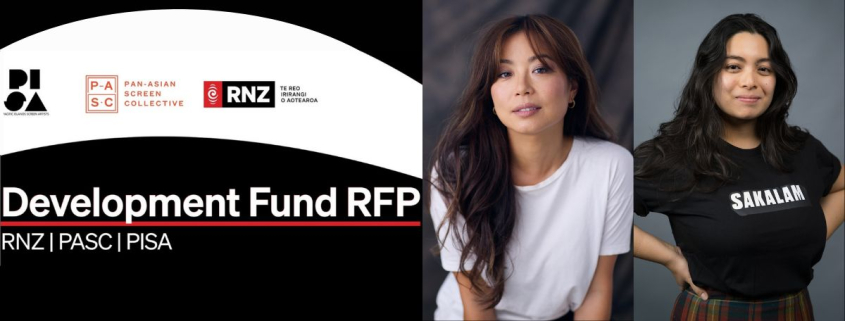
RNZ, in partnership with the Pan-Asian Screen Collective (PASC) and the Pacific Islands Screen Artists (PISA), have selected two projects with DEGANZ members at the helm to receive development support through the RNZ PASC PISA Development Fund.

The development fund launched in early 2025 to address the systemic underrepresentation of Asian and Pacific creatives in the local screen industry. A panel of experienced practitioners and cultural advisors selected four projects from each representative group to receive $20,000 for development each. The fund will allow the producers to further develop the projects and prepare production funding proposals, with RNZ as the supporting platform.

Check out the selected projects’ titles and associated DEGANZ members below.

Congratulations, Michelle and Mia!


Last updated on 12 August 2025

The projects in this week’s DEGANZ Watch List address some of Aotearoa’s hard conversations, including patriarchy and systemic racism.

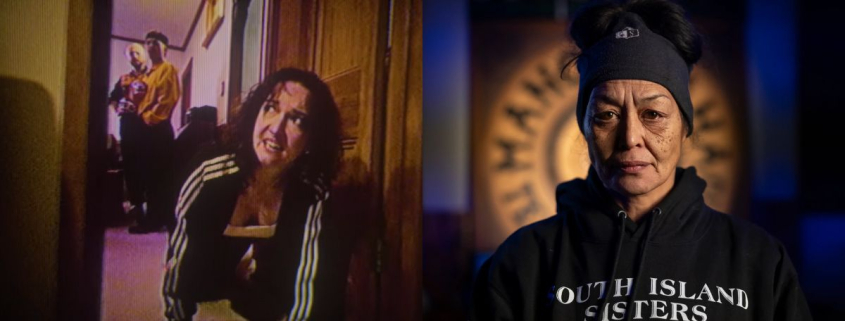
DEGANZ member Stella Reid directed the punk rock band Dick Move’s latest music video, titled F*ck It. Edited by fellow member Sam Small, the music video is a two-minute single take following the lead singer through the morning after a raging party. The song screams about the ever-impressing presence of misogyny, most poignantly with the line, “All of me belongs to me / My thighs, my voice, my tits / But still I have to walk home / With my keys clenched in my fist”.

Meanwhile, documentary The Stolen Children of Aotearoa,  edited by DEGANZ board president Ben Powdrell and fellow member Trinity Ludlow-Hudson, unearths the chilling history of the systemic abuse of an estimated 250,000 children, many of whom were Māori, between 1950-2019. Led by veteran journalist Aaron Smale, the film investigates the origins of this mass injustice, tracing back to Aotearoa’s colonisation, which stripped Māori of their language, culture, and land.

F*ck It

Music Video

Director: Stella Reid

Editor: Sam Small

Check out the music video for Dick Move’s latest single, F*ck It.


The Stolen Children of Aotearoa

Documentary

Editors: Ben Powdrell and Trinity Ludlow-Hudson

Confronting the painful truth of this forgotten chapter in our history, survivors from New Zealand’s state care system speak out about their stolen childhoods and the abuse they endured after being separated from their families.

The film premiered at Māoriland Film Festival in March 2025, and is now available to stream on TVNZ+.


Last updated on 6 August 2025