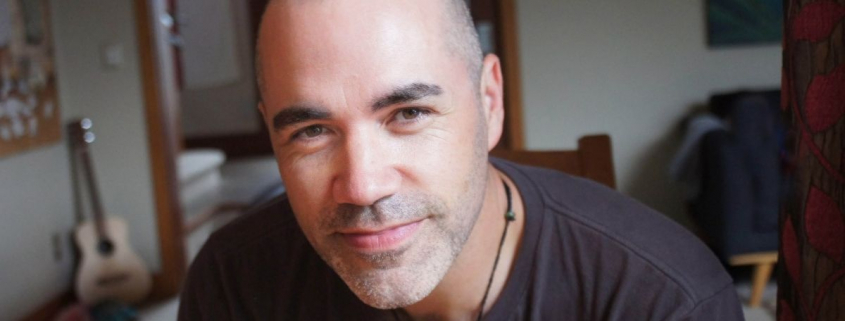
Six-part New Zealand/Ireland co-production, The Gone, commenced principal photography on location in Auckland and Te Aroha this week with DEGANZ member Peter Meteherangi Tikao Burger (Ngāi Tahu, Rangitāne: One Lane Bridge, Until Proven Innocent, Resolve) directing the first block. Irish director Hannah Quinn (Vikings Valhalla, Blood, The Stranger) also directs.
The drama series stars Richard Flood (Grey’s Anatomy, Shameless) as Theo Richter, an Irish detective who teams up with Kiwi cop Diana Huia, played by Acushla-Tara Kupe (Under the Vines, Mr Corman), to find a young Irish couple who have vanished from an infamous rural North Island New Zealand town. Amidst the search and a race against time, the pair have to contend with a community’s growing disquiet that the disappearances may be linked to a series of historical murders.
The co-production will complete further shooting in Dublin, Ireland in late 2022. This new mystery series is produced by Kingfisher Films (NZ) and Blinder Films (Ireland), in association with Southern Light Films (NZ) for RTÉ and TVNZ.
“We’re delighted to be continuing our commitment to co-productions to bring the very best premium content to TVNZ. The Gone is a thrilling concept that is sure to resonate with our viewers across TVNZ 1 and TVNZ+,” says Cate Slater, TVNZ Director of Content.
The Gone is made with support from Te Puna Kairangi, the New Zealand Government’s Premium Productions for International Audiences Fund, and New Zealand’s Screen Production Grant, Screen Ireland/Fís Éireann, RTÉ, TVNZ, NZ On Air and the BAI Sound & Vision Fund. Global distribution is by Red Arrow Studios International.
http://degnz.sensedesign.co.nz/wp-content/uploads/2021/12/Peter-Burger-1200x456-1.jpg4561200admin/wp-content/uploads/2021/10/DEGANZ_logo_home.pngadmin2022-09-16 09:58:452022-09-16 09:58:45The Gone Begins Production with Peter Burger Directing
As of 11:59pm on Monday 12 September, the COVID-19 Protection Framework (AKA the Traffic Light System) ended. With case numbers falling, a highly vaccinated population, and increased access to antiviral medicines to treat COVID-19, public health experts say it is safe to remove most COVID-19 rules and end border restrictions.
This means that for most settings, including work places and film shoots, we can go back to “life as normal”. Mask wearing, physical distancing, testing, etc. is no longer a Government requirement in most situations. Though don’t be surprised if you are still asked to wear a mask. And some people will still chose to wear one.
Safety Protocols for the Screen Industry
As of Monday night the ScreenSafe COVID-19 Protocols are no longer valid. But please note that COVID-19 has by no means been eradicated. And it will still be part of our lives for the foreseeable future.
Depending on the individual needs of a production, the specific requirements of a scene or location, or the personal situation of a crew or cast member, some productions may still need to utilise some of the many safety measures we’ve gotten used to over the last few years, including mask wearing, testing, vaccination status and the use of health declarations and release deeds. It’s up to each production to clearly state their intention. If a production sees the need for putting in place additional COVID-19 safety measures, we recommend that they engage with the crew and the safety team as early as possible.
Personal Responsibility
While regular testing and mask wearing will not be mandatory for most productions, personal responsibly for yourself and your colleagues will become more important.
Most of us are freelance contractors and don’t have the safety net that employees have with sick days, etc. So if we can’t work, we don’t get paid… This goes for both yourself and your colleagues.
If you feel sick, please notify production and/or safety. Please test when unwell or if you are a household contact.
Where is Mask Wearing Still Mandatory?
Masks will still be required in hospitals and other healthcare facilities like medical centres, pharmacies, A&E, etc.
New Rules for Household Contacts
Positive cases must still self-isolate for at least 7 days, but Household Contacts no longer need to isolate. If you live with someone who tests positive for COVID-19, we recommend you:
take a rapid antigen test (RAT) each day for 5 days in order to go to work
avoid contact with the person who has COVID-19
Travellers Arriving Into New Zealand
Vaccination requirements for travellers arriving in New Zealand will end, including air crew.
People entering New Zealand will be given free RATs and are recommend to test on the day they arrive and on day 5 or 6.
Sincerely, The ScreenSafe COVID-19 Group Email: info@screensafe.co.nz
http://degnz.sensedesign.co.nz/wp-content/uploads/2021/11/Traffic-Light-by-Pamukti-D-on-Unsplash-1200-x456-px.jpg4561200admin/wp-content/uploads/2021/10/DEGANZ_logo_home.pngadmin2022-09-14 15:50:242022-09-14 15:50:24ScreenSafe – COVID-19 Protocols – The End of the Traffic Light System
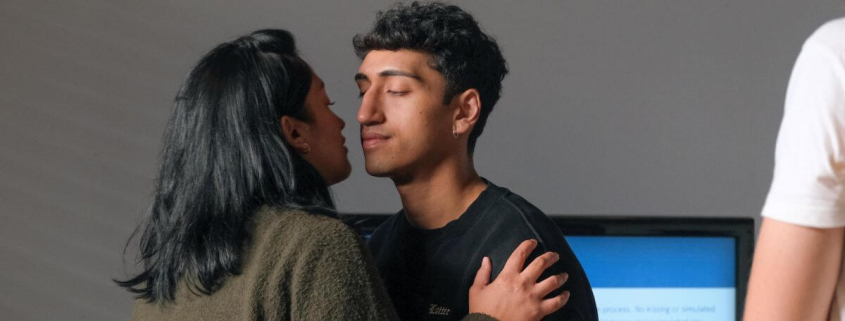
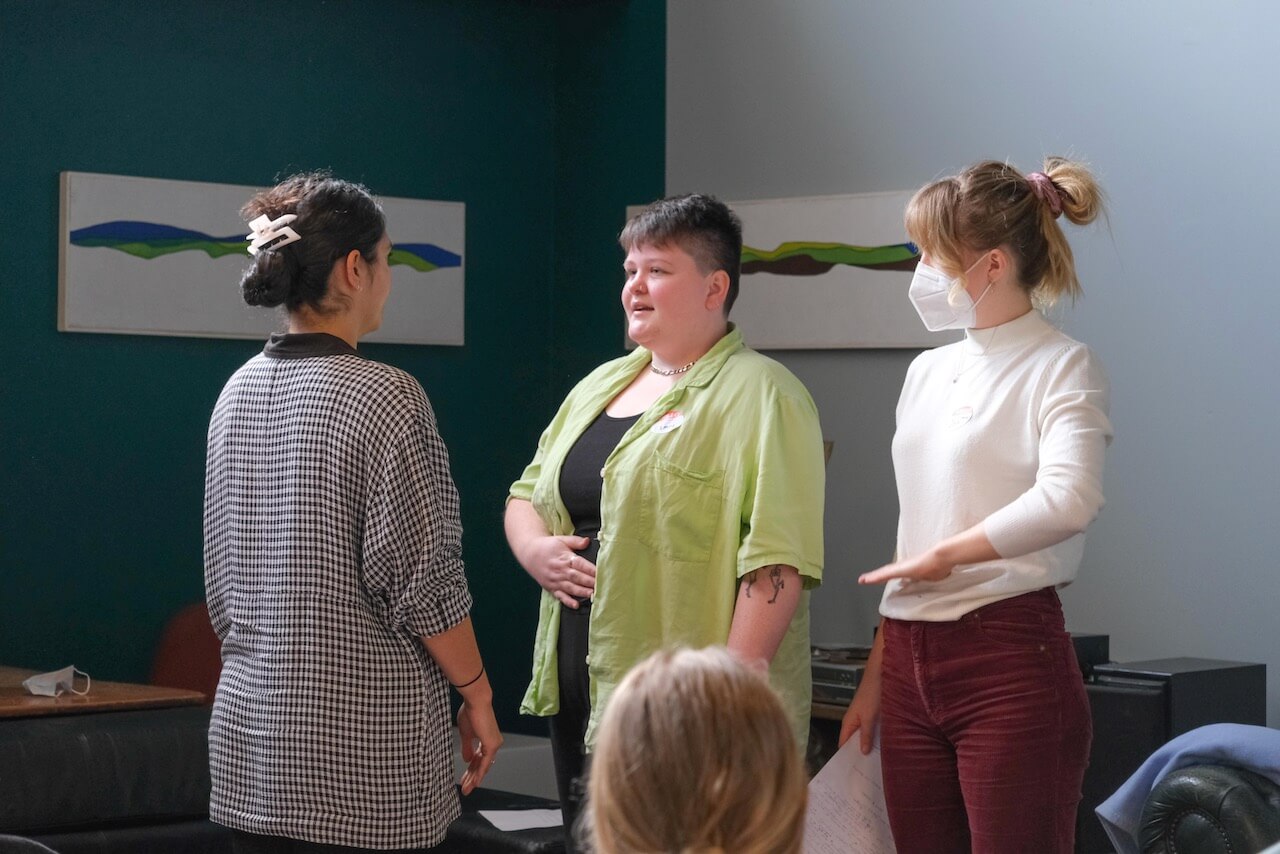
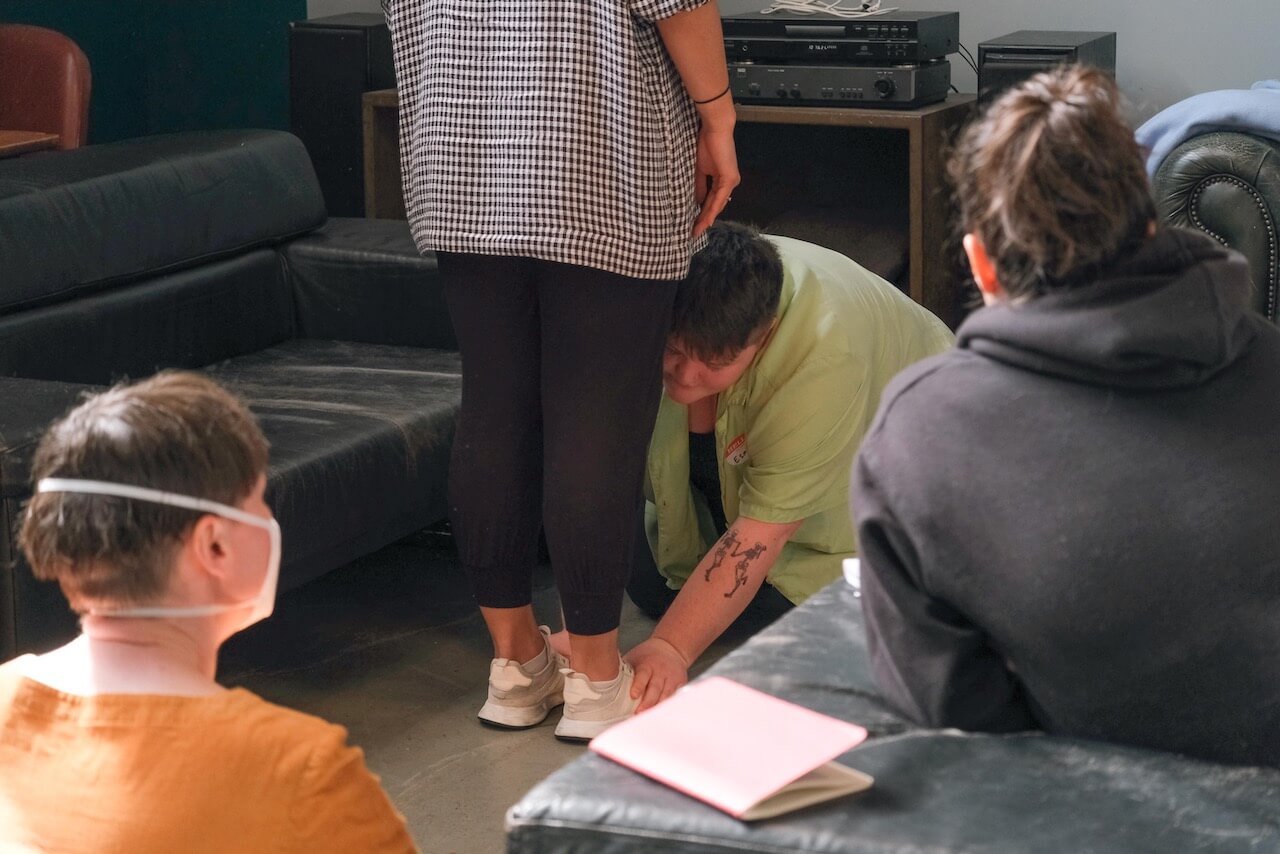
Remove the fear and create a safe, creative work environment with this practical introduction to directing on-screen intimacy.
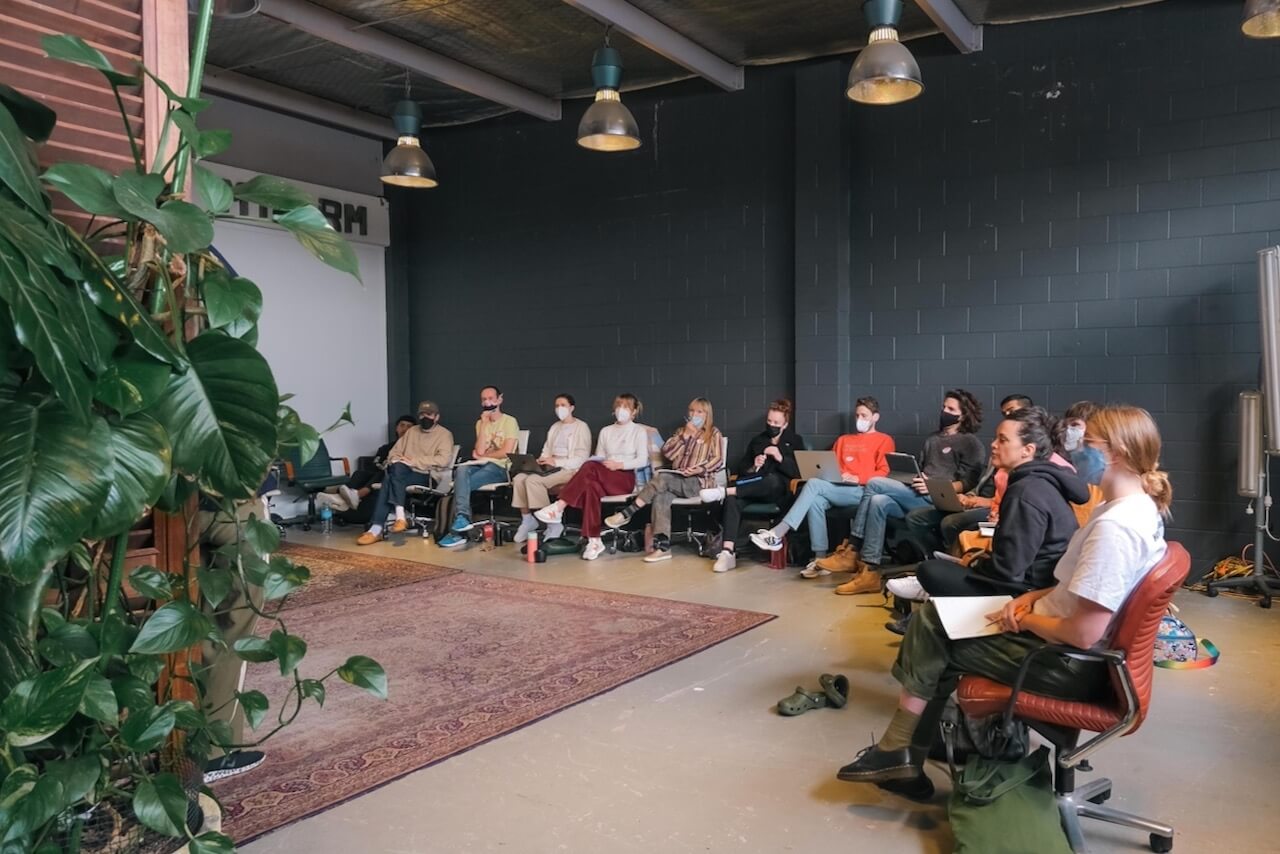
DEGANZ invites directors, producers, casting directors and 1ADs to receive training on considerations and respectful processes when working on a range of ‘intimate scenes’.
You will learn how these processes ensure that the work is consensual, engaging and best serves the story, and what information producers and casting should provide early on.
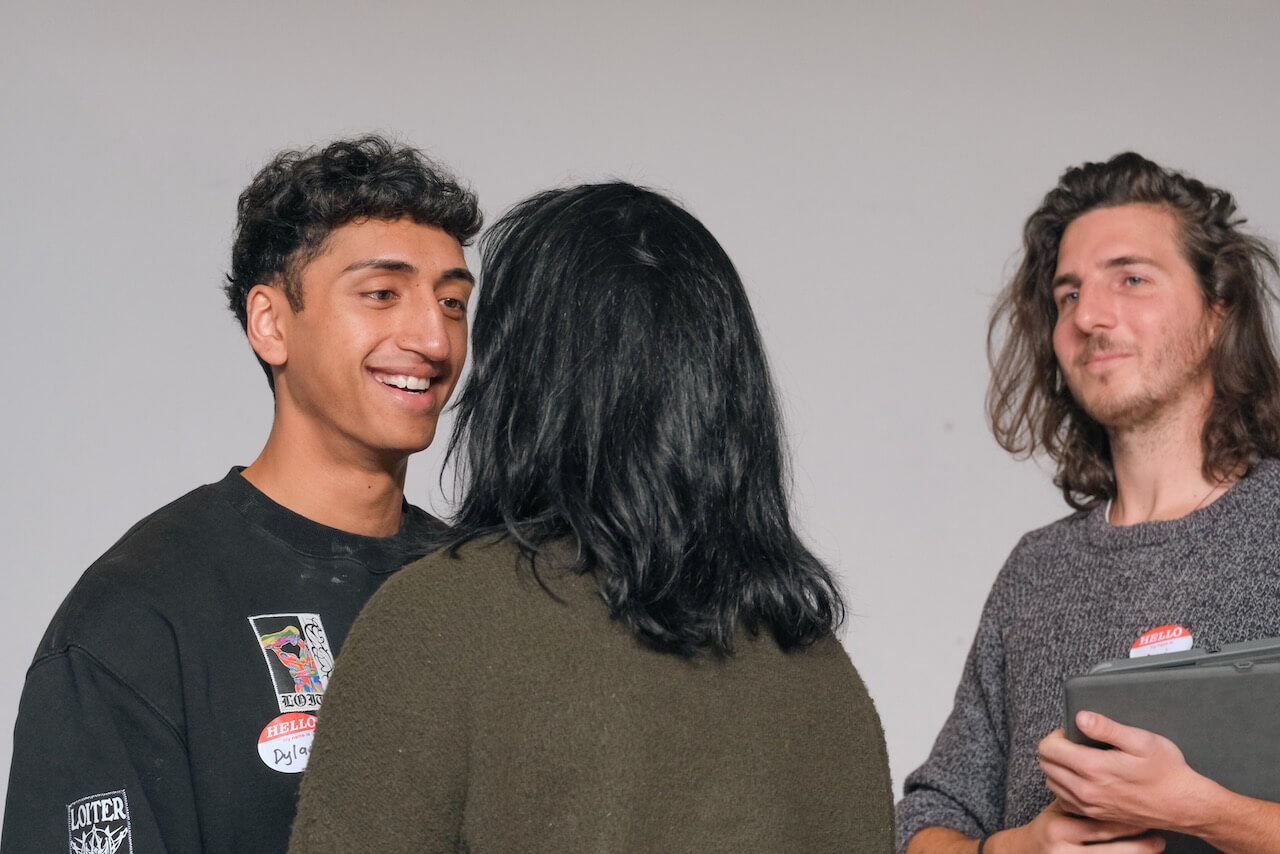
This one-day workshop on October 2 will be led by intimacy coordinator Carrie Thiel. We will start the day with discussion, real world examples and demonstrations. Afterwards, we will practise working with actors on developing intimate scenes in a safe, supportive and creative space.
Please note: this workshop is R18 and there will be no nudity in the workshop.
Who’s it for?
All drama directors, producers, 1ADs and casting directors. We welcome professionals and film school graduates.
DEGANZ invites directors to apply to direct a scene as a breakout director. We have four places. Other attendees will get to observe the breakouts.
Breakout directors will take turns directing pairs of actors on an intimate scene under the tutors’ guidance. If selected, you may submit a short, intimate scene for two characters – either with or without dialogue – for consideration ahead of the workshop. We can also provide you with a scene if preferred.
Breakout directors must have experience directing actors for screen, but don’t need experience with directing intimacy.
About Carrie Thiel
Carrie is a Wellington based intimacy coordinator, performance director and actor whose career has spanned film, theatre, ballet, opera, television, and video games. They hold a BFA in Acting (UofA, Canada) and an MFA in Directing & Creative Practice (VUW, New Zealand). She is also a trained and accomplished stunt performer and a certified fight director and instructor.
Carrie began training as an intimacy coordinator in 2018 under Rachel Flesher (Intimacy Directors International, USA) and later with Ita O’Brien (Intimacy on Set, UK). She has further attended courses with Intimacy Directors & Coordinators (USA), Theatrical Intimacy Educators (USA) and Intimacy Professionals Association (USA). Carrie has worked as an IC for Netflix, feature films and numerous short films, web series and professional theatre productions.
Alongside their work as an intimacy coordinator, Carrie is currently the Creative Producer at BATS Theatre in Wellington, and previously worked as a motion capture director. Carrie has developed education programs for the Vancouver Film School and The Bosa Centre for Film and Animation (Canada), and has worked as an educator and consultant across the United States and Canada, England, Norway, Finland, Hong Kong, Australia and New Zealand.
COVID-19: While the Traffic Light System has ended, we will require everyone to take a RAT to attend. You are welcome to wear a mask.
To Apply
Applications Close: Monday 26 September, 3PM
Please complete the application form below and email your CV to admin@deganz.co.nz. Your CV should clearly list your filmography and include details such as festival selection and year, commissioners and/or platforms where your work has publicly screened.
DEGANZ will email you to confirm if your application has been accepted.
http://degnz.sensedesign.co.nz/wp-content/uploads/2022/09/DI05-Key-Image_1200x456Compressed-.jpg4561200admin/wp-content/uploads/2021/10/DEGANZ_logo_home.pngadmin2022-09-13 09:28:492022-09-15 16:50:14Directing In the Intimate Zone – Wellington
There has been a flurry of activity around the Screen Industry Workers Bill in the last month.
On the 23rd of August the Bill had its second reading in the House.
Then it went to the Committee of the Whole House on the 31st of August.
We expect that the Bill will have its third and final reading in the house next week. We hope. It’s No. 5 on the Order Paper, so it may not be gotten to on the day if things drag out.
But if it doesn’t, what happens from there?
If the Bill gets its third reading, it is then destined to become law but not until it receives Royal Assent from the King’s (?!) representative, the Governor General. The Bill will come into force three months after it’s signed by the Governor General.
While we all prepare for collective bargaining, which the Act will allow for contractors in the screen industry, six new rules will come into effect immediately when the Bill comes into force:
Duty of good faith applies between workers and their engagers
Individual contracts must be in writing
Engagers must follow process rules for making and varying individual contracts
Individual contracts must contain mandatory terms. Existing contracts will have extra time – 12 months – to comply with this
Terms must not be worse than any applicable collective contract (once it has been negotiated)
Engagers can’t cancel contracts in retaliation for workers exercising their rights
If you are working as a contractor in the screen industry and are covered by the Bill, four of the above six rules will apply straight away, being 1., 2., 3., & 6.
Rule 4. will also apply if you enter into a new contract.
Rule 5. will apply when a collective agreement is negotiated.
These six rules change the dynamic of the relationship between you as the contractor and the person or company contracting you. They will be law. They must be abided by. And they are enforceable.
In other words, you will have protection as a contractor in your working relationship with the entity contracting you that you didn’t have previously.
This change in dynamic is going to take some time for everyone to get used to. It’s important however that everyone understands what it all means and how it will affect them.
We have published a simplified guide to what the Screen Industry Workers Bill means, with links to additional information.
Please take the time to read and learn about the Screen Industry Workers Bill because it’s going to become an important part of your working life.
/wp-content/uploads/2021/10/DEGANZ_logo_home.png00Tui/wp-content/uploads/2021/10/DEGANZ_logo_home.pngTui2022-09-09 10:42:312022-09-09 10:43:32Screen Industry Workers Act Almost Upon Us
The Disney+ production collected all five awards from its five nominations – Outstanding Documentary or Non Fiction Series, Outstanding Picture Editing (editor Jabez Olssen), Outstanding Directing, Outstanding Sound Mixing, and Outstanding Sound Editing.
Get Back takes audiences on an exclusive look into the dynamics of the iconic music group in their final year as a band. It features nearly 8 hours of fantastically restored never-before-seen or heard footage and audio completed by Park Road Post Production in Wellington. Peter, the only person in 50 years granted access to the film archives, directed the epic documentary to showcase the camaraderie and musical ingenuity that still defines the band’s legacy to this day. It’s a must-see for any fans of the band!
http://degnz.sensedesign.co.nz/wp-content/uploads/2022/09/Get-Back-comp.jpg4561200admin/wp-content/uploads/2021/10/DEGANZ_logo_home.pngadmin2022-09-08 14:59:592022-09-08 14:59:59Jackson’s The Beatles: Get Back Sweeps at 2022 Creative Arts Emmys